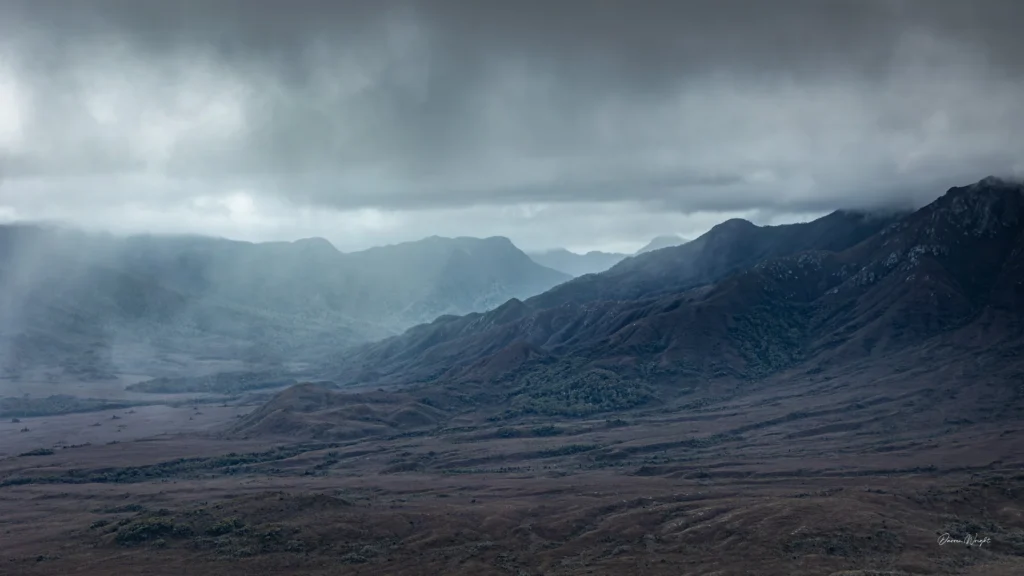
The Huon River begins high in Southwest National Park, emerging from the slopes below Junction Hill and the Marsden Range before winding east for 174 kilometres through the Huon Valley and out into the D’Entrecasteaux Channel. Its name honours Captain Huon de Kermadec, second-in-command of Rear-Admiral Bruni d’Entrecasteaux’s 1792 expedition, one of the earliest European charting journeys along Tasmania’s southern waterways.
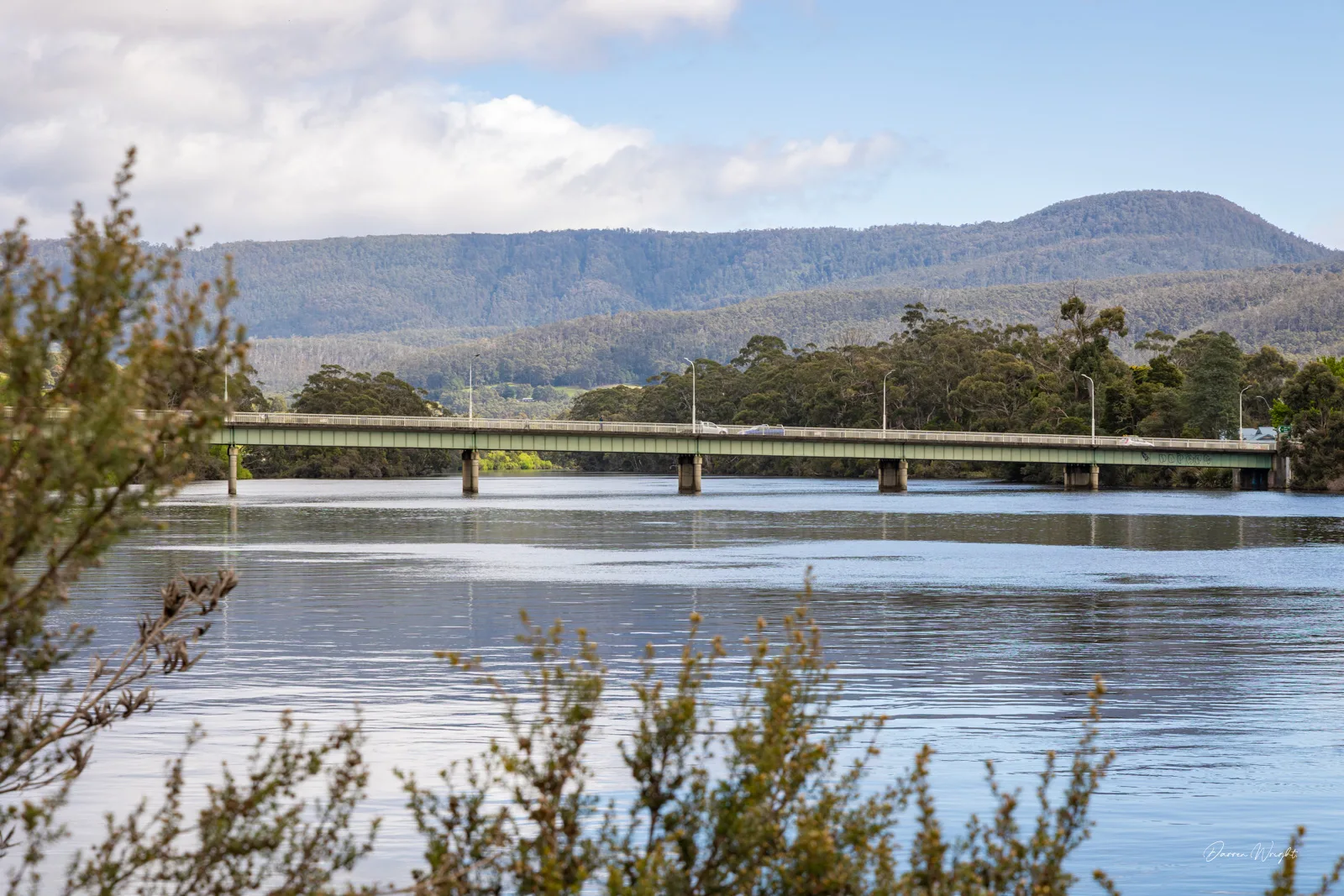
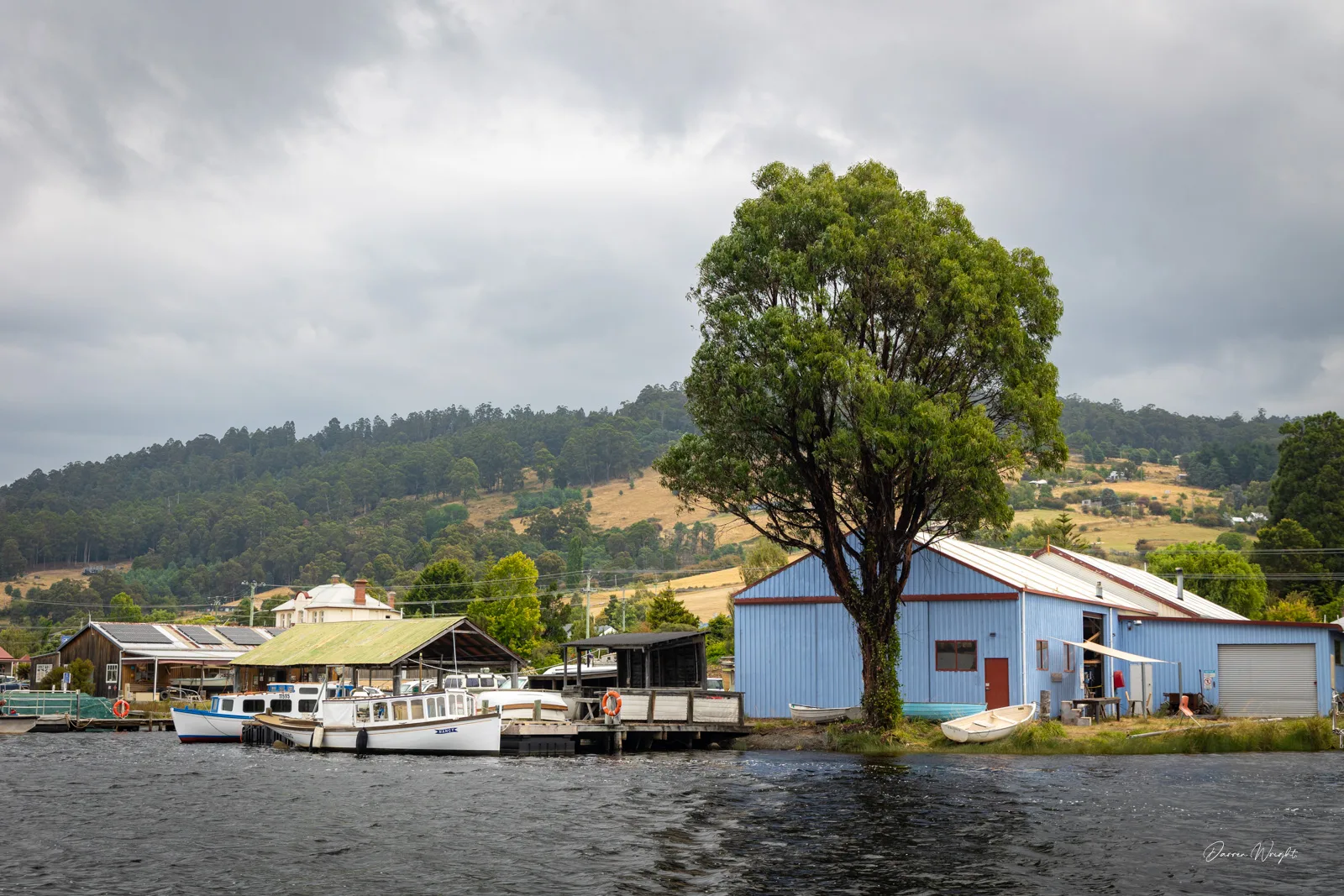
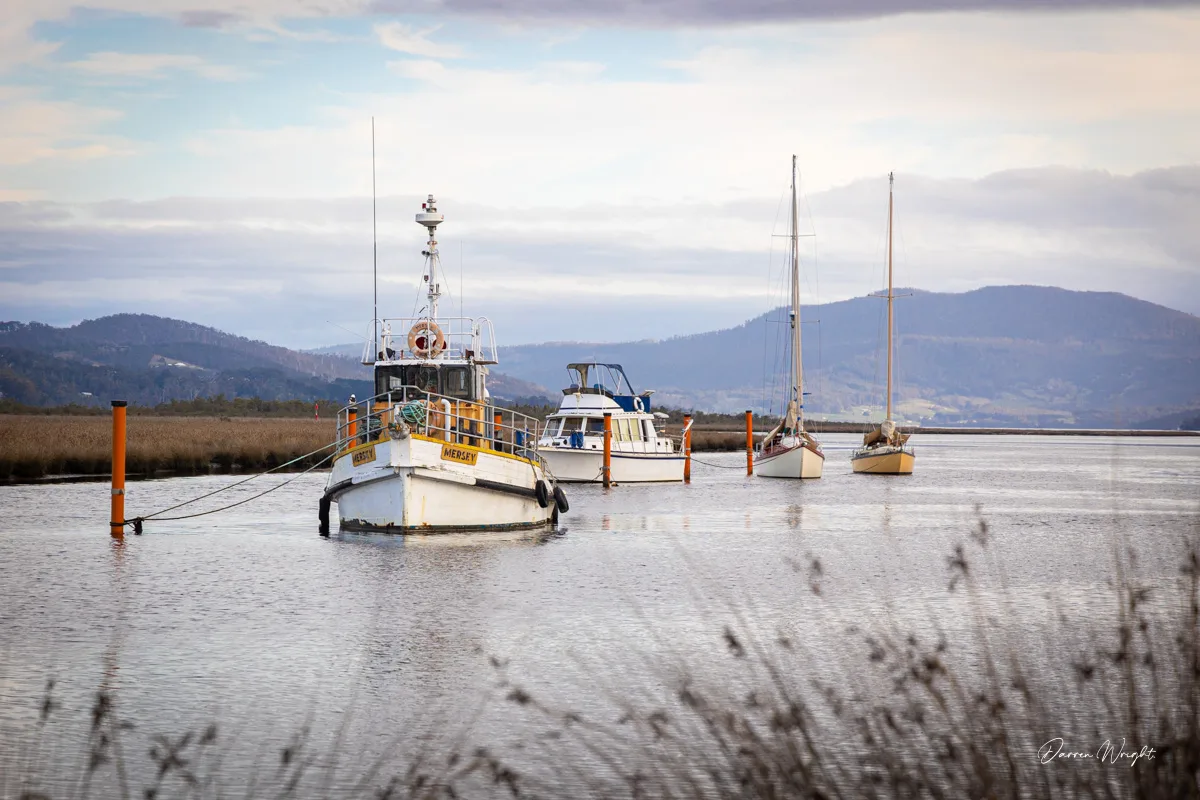
By the early 1800s, the river had already become the backbone of European life in the valley. Franklin, founded in 1822, grew into a lively river port, while Huonville developed as the valley’s central hub about 35 kilometres south of Hobart. Timber was the first major trade—especially Huon pine, first found as driftwood in the river’s bends—followed by apples, pears and grain bound for Hobart aboard sailing vessels and steamers. As the settlement spread, towns like Cygnet, Glen Huon and Geeveston formed along the river, each shaped by its steady flow. Roads eventually reduced reliance on the waterway, but the Huon remained the valley’s defining thread.
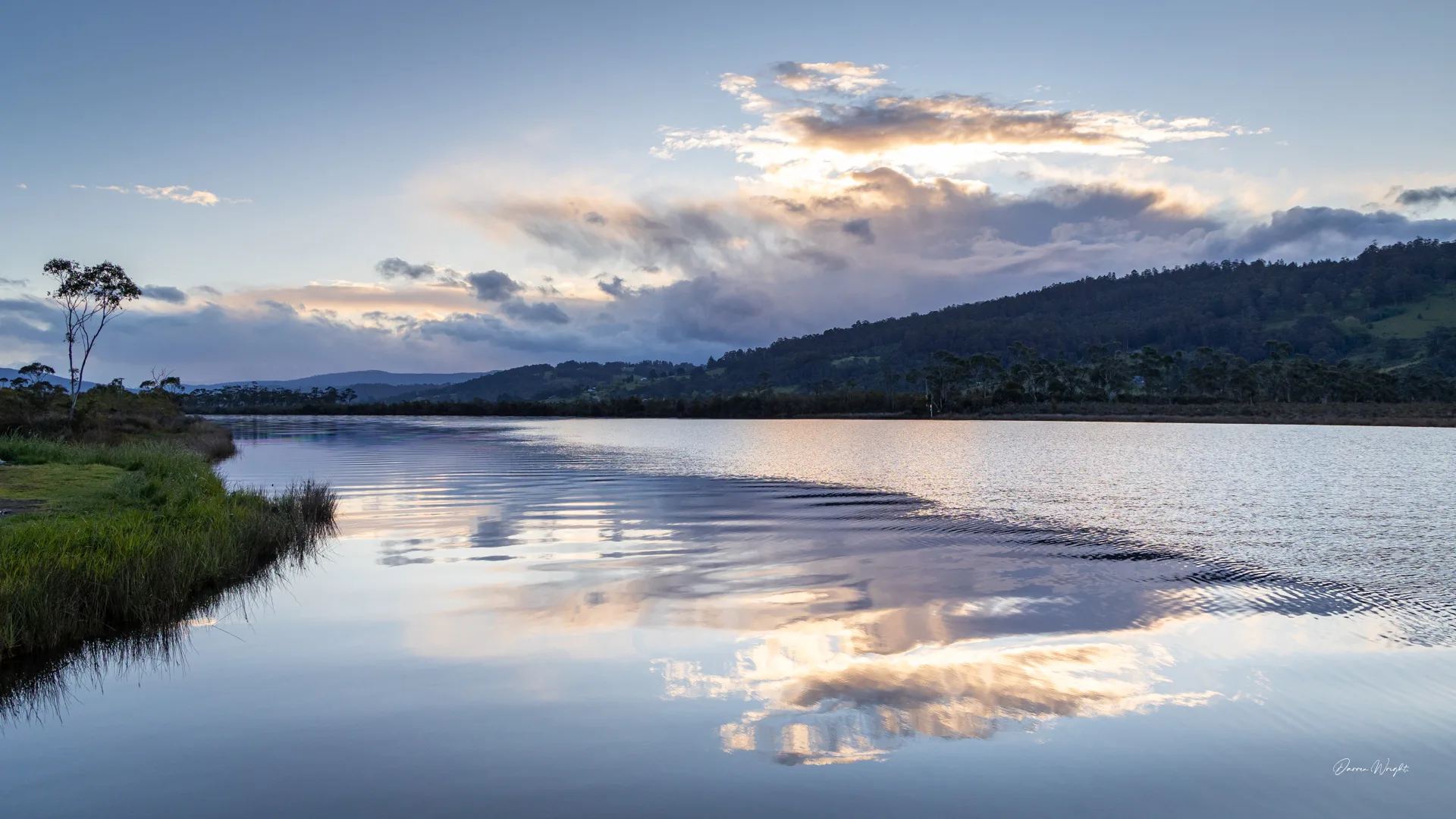
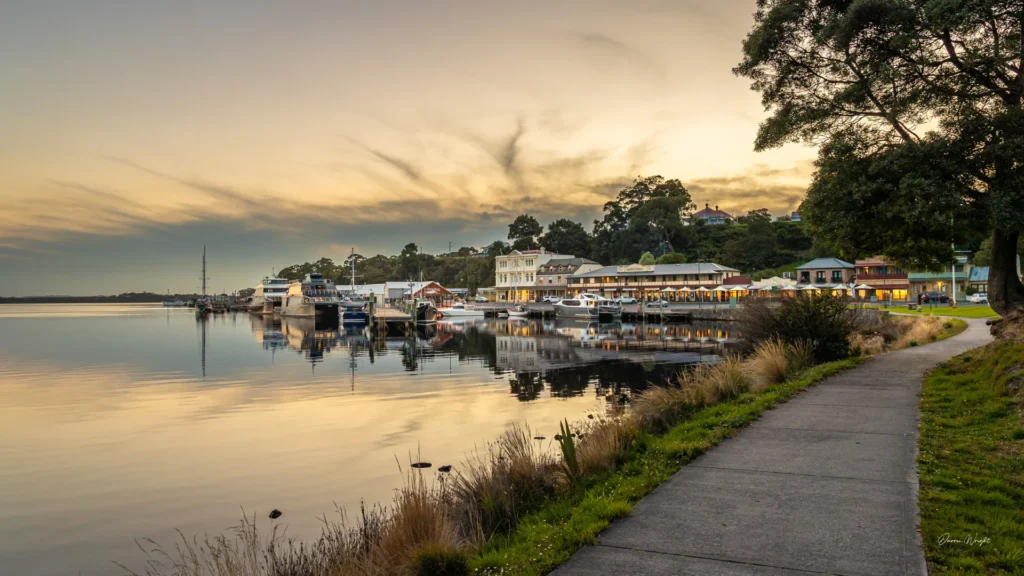
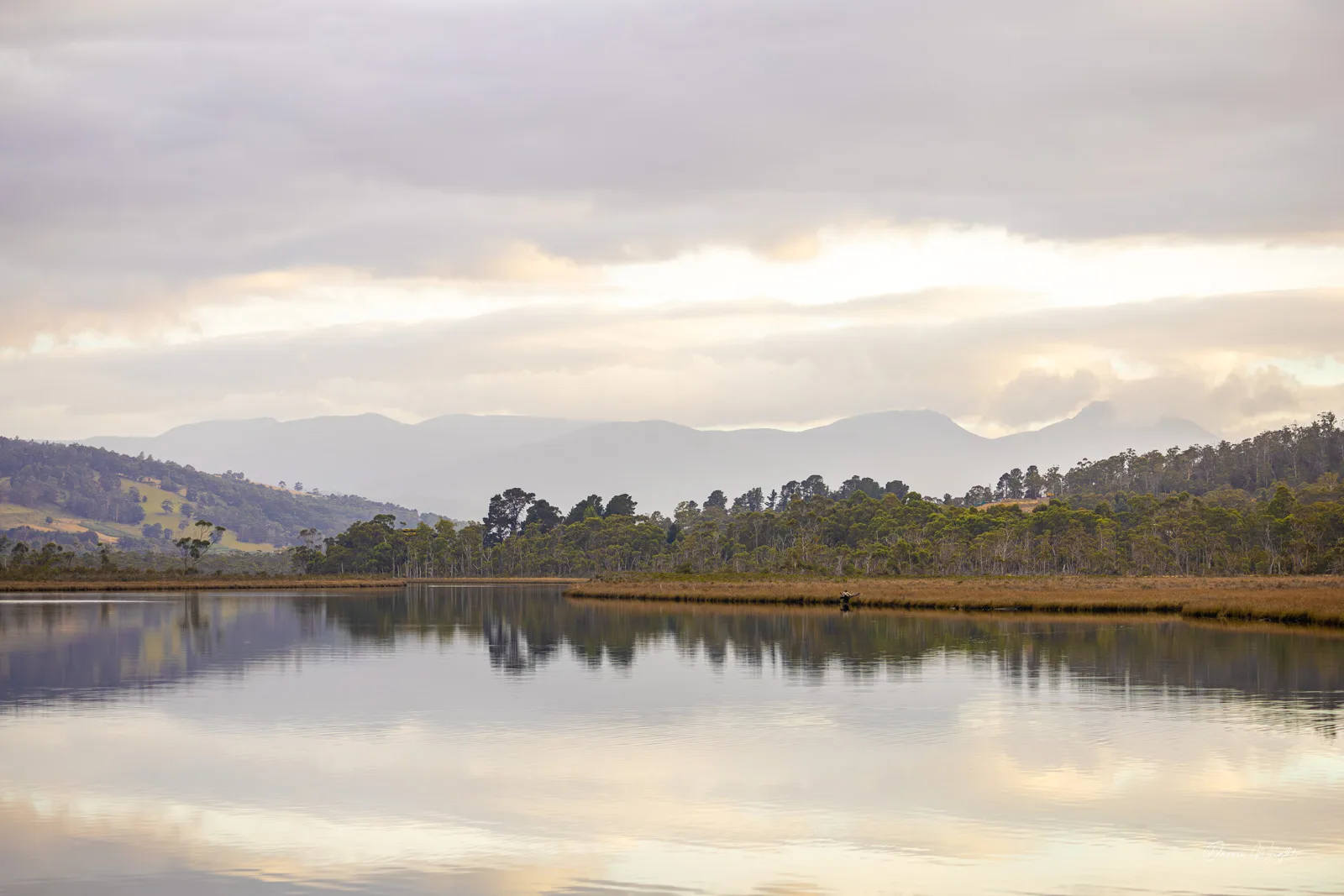
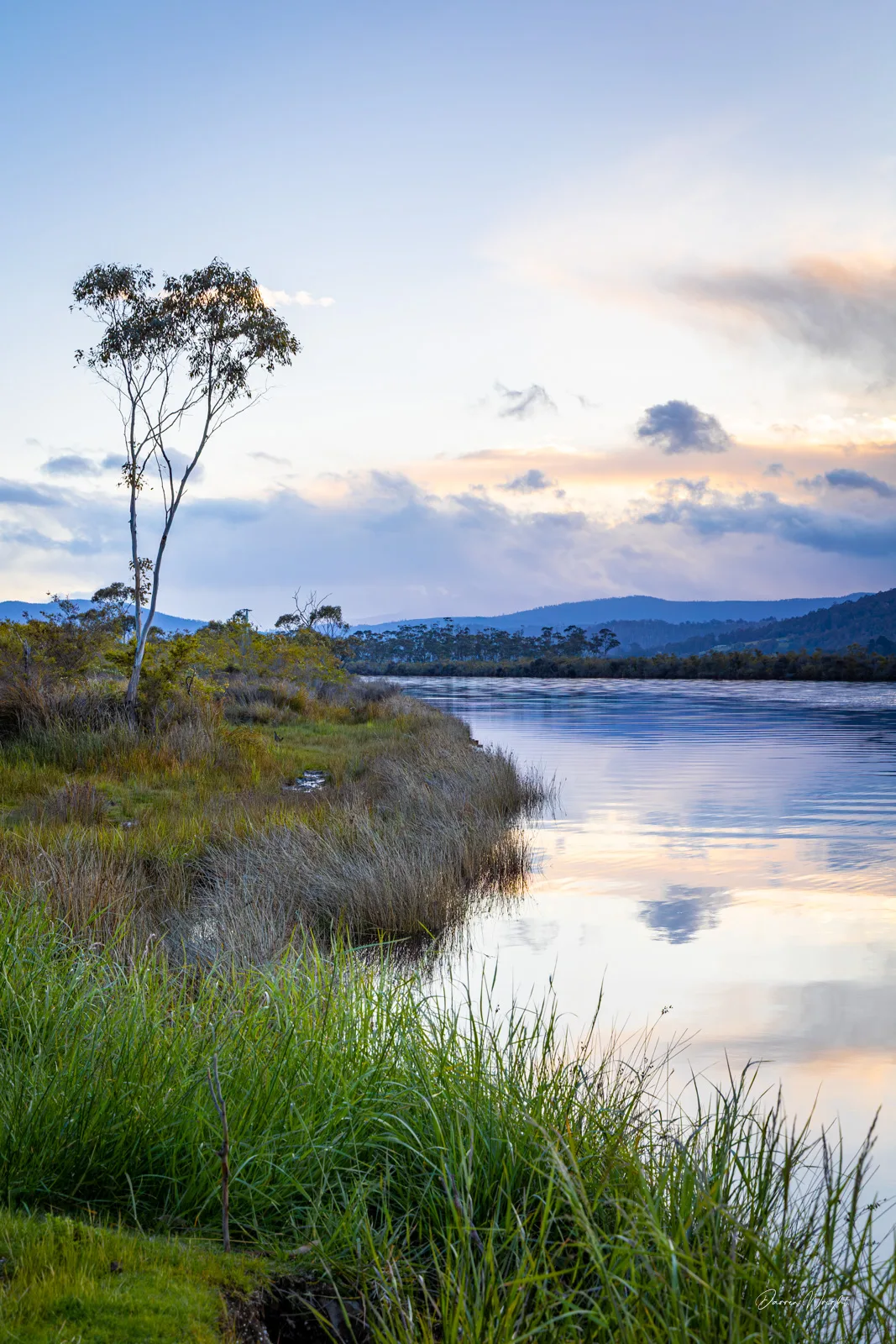
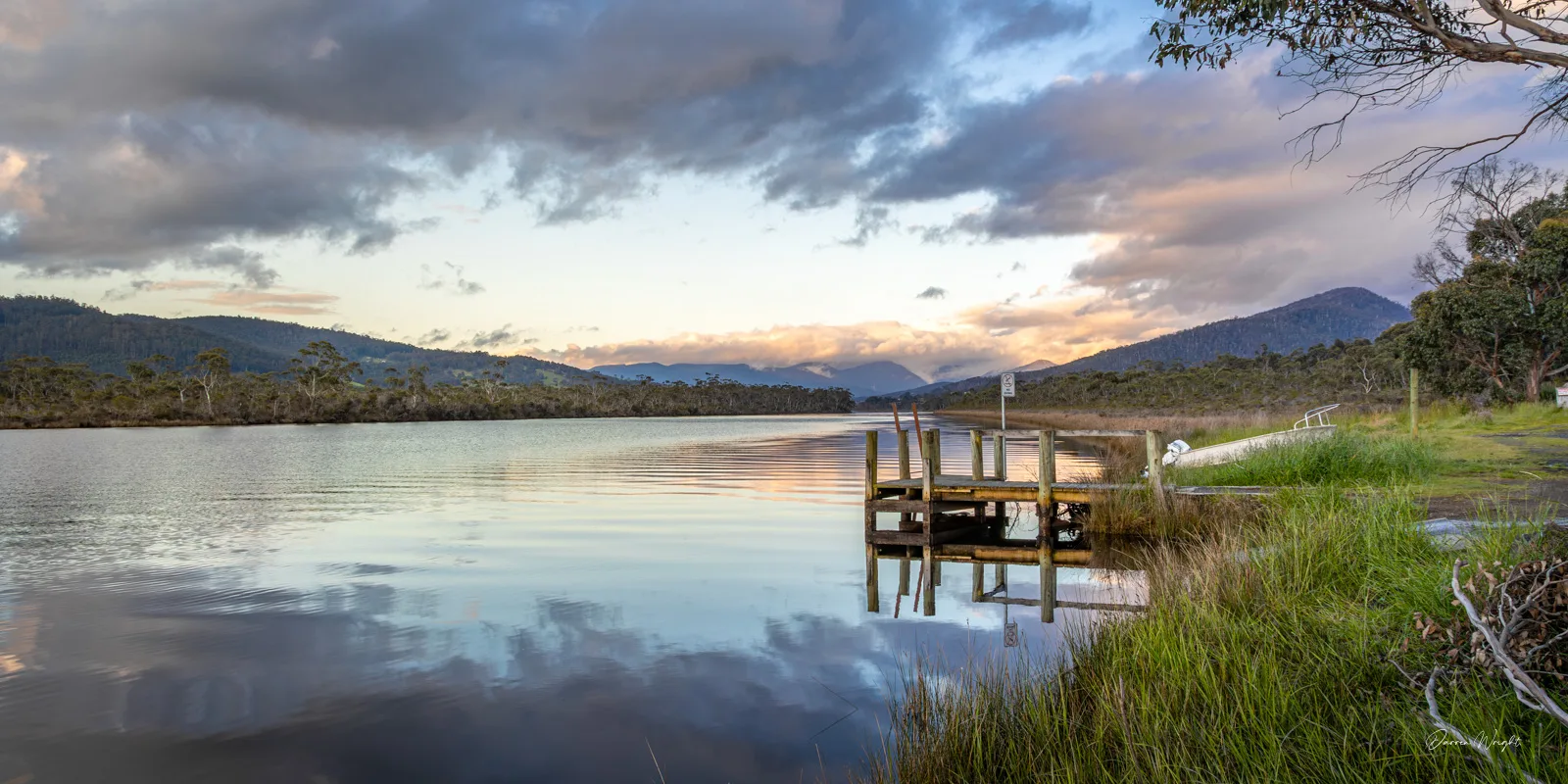
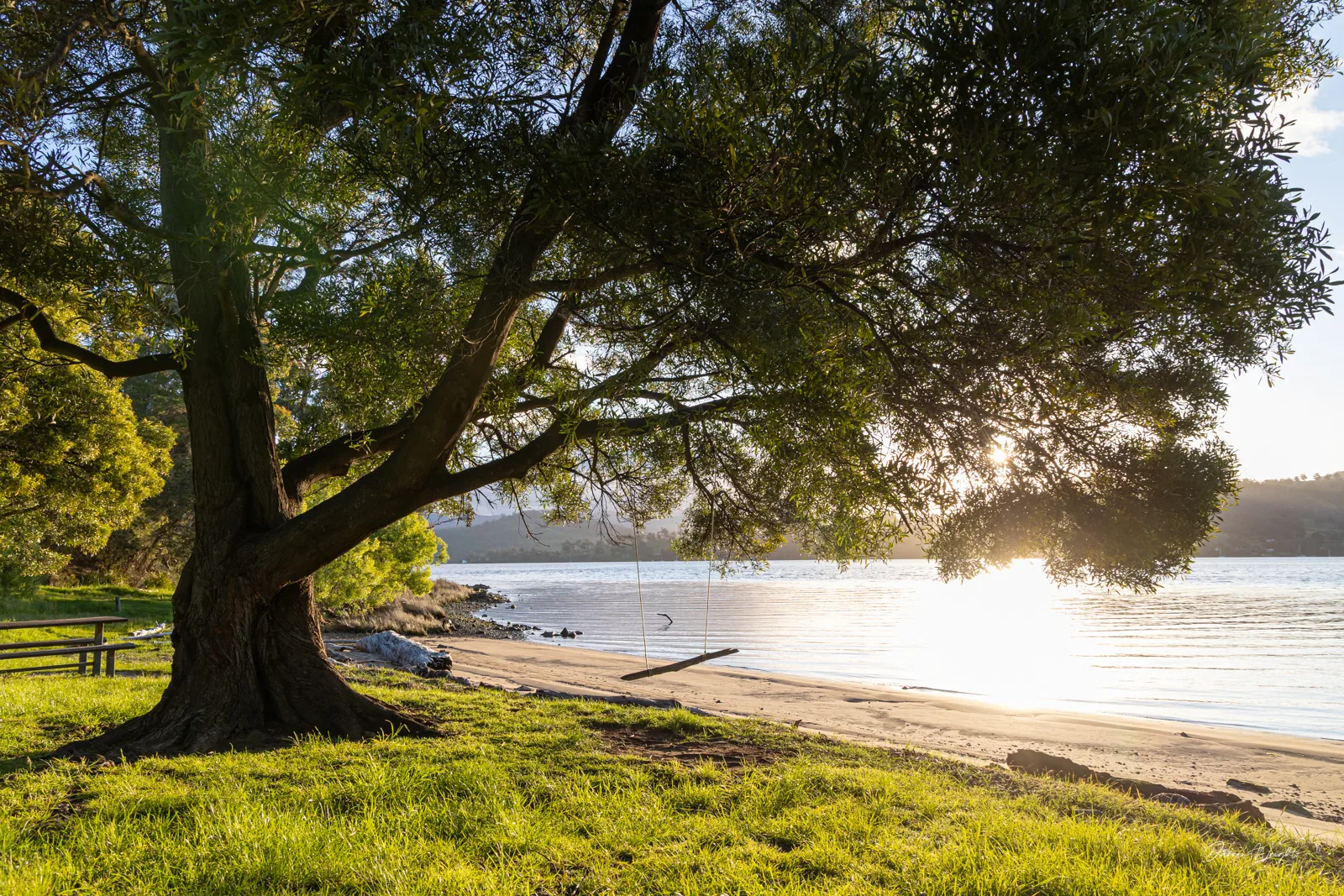
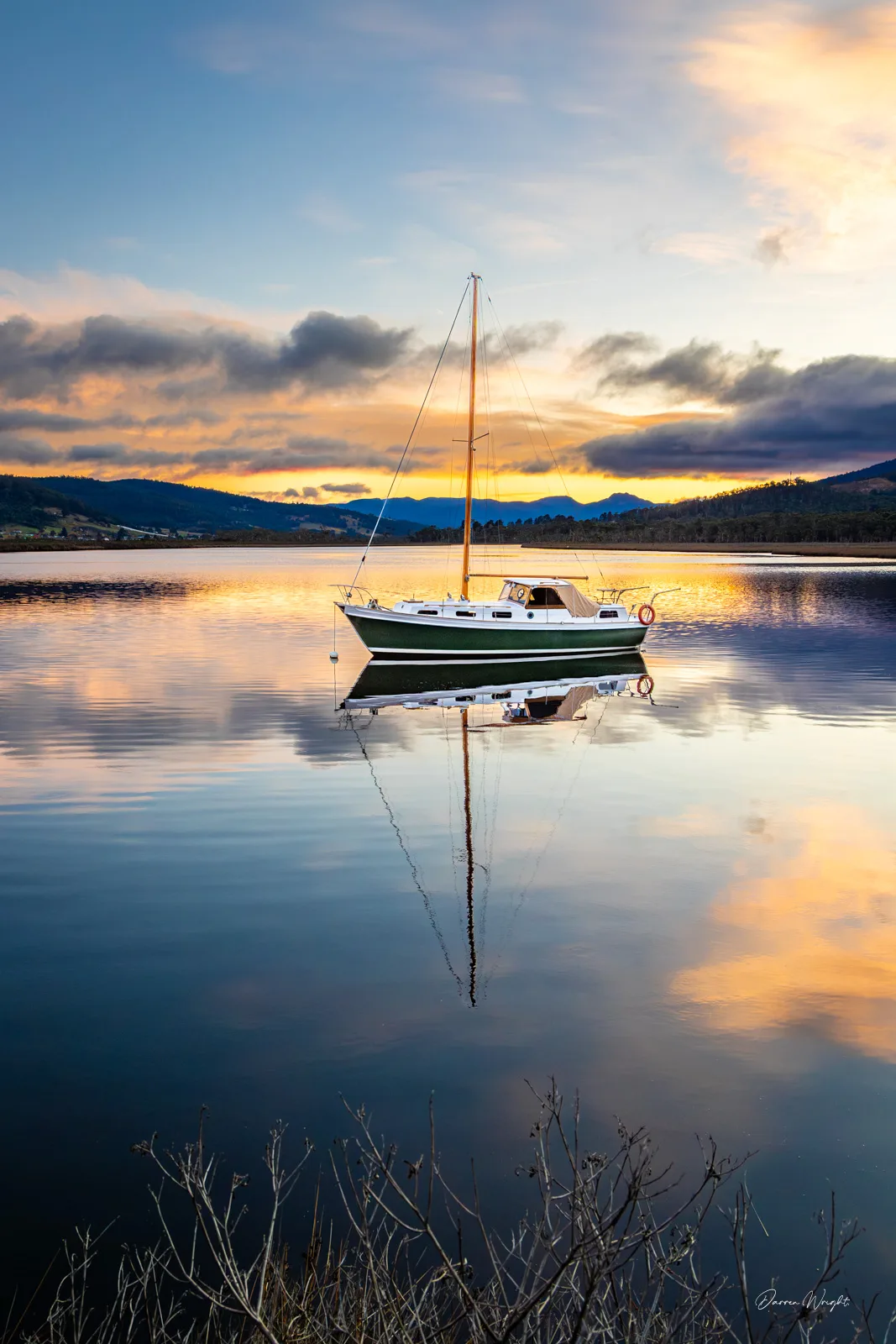
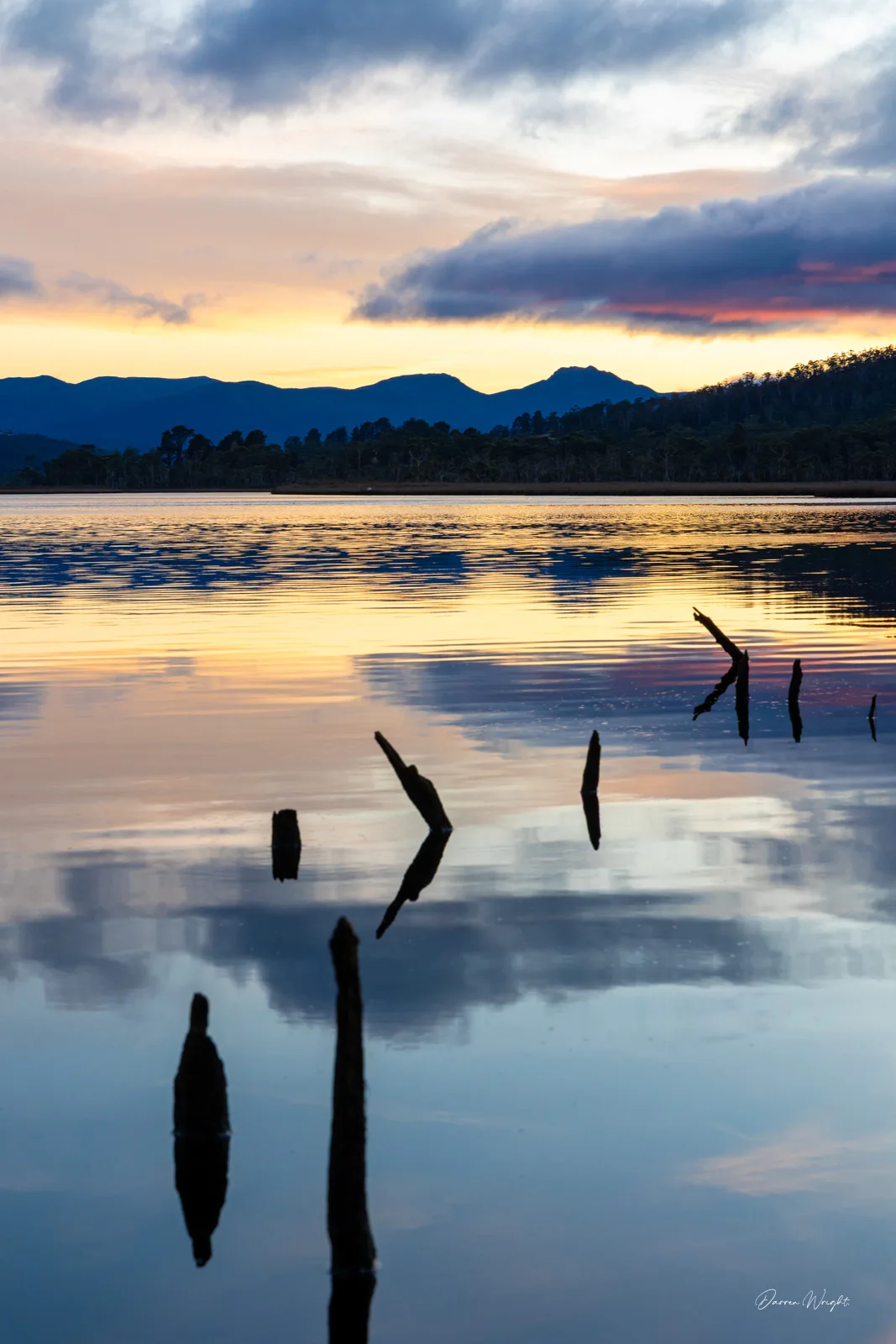
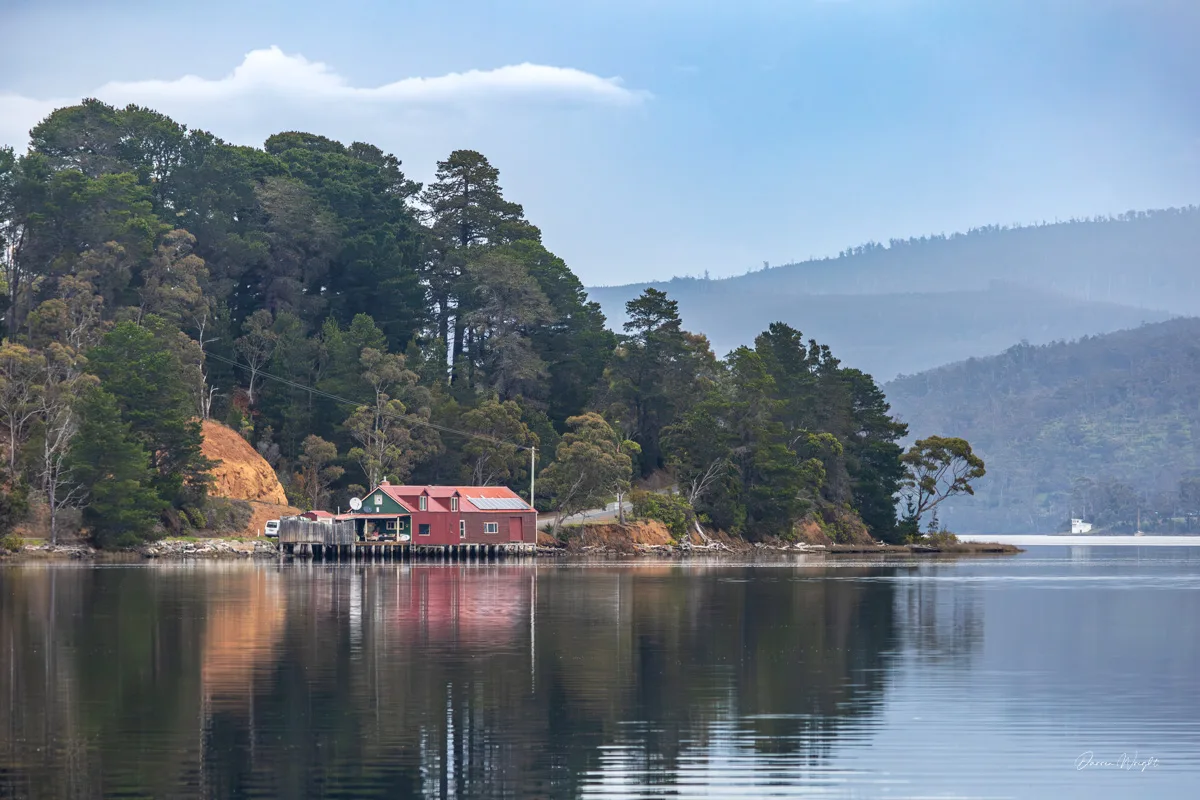
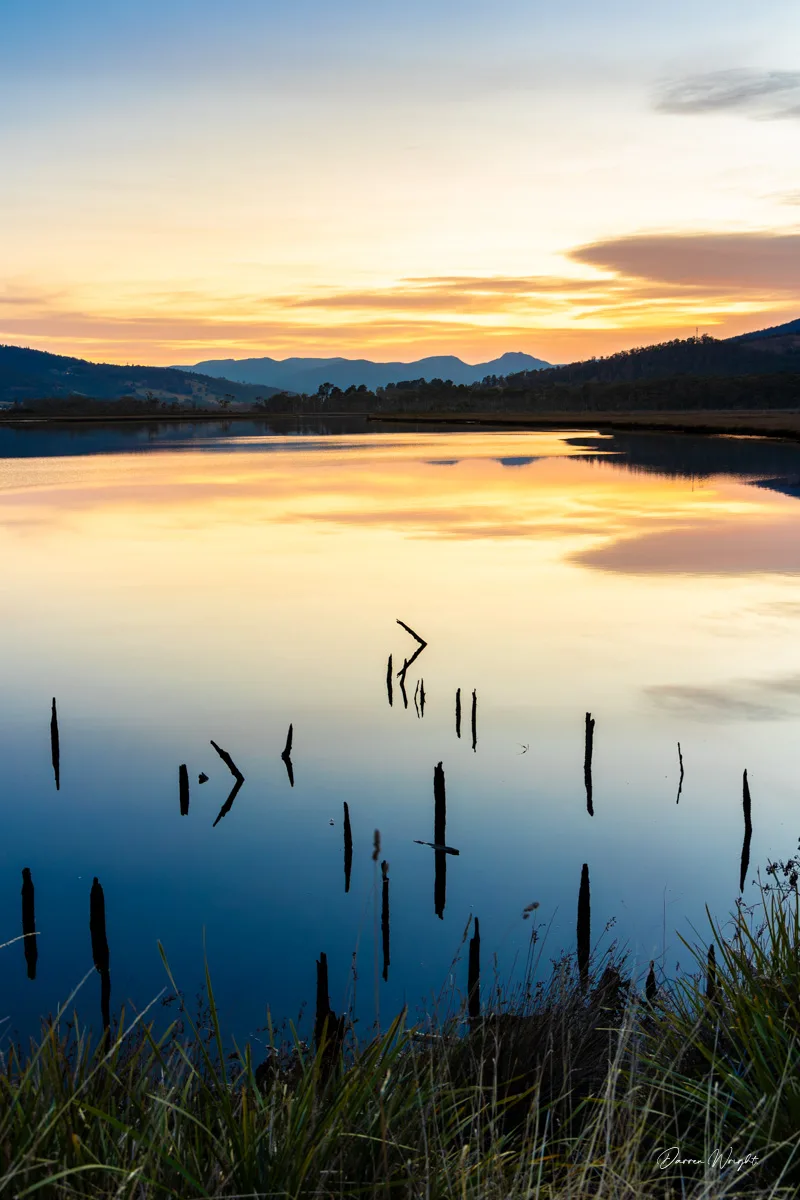
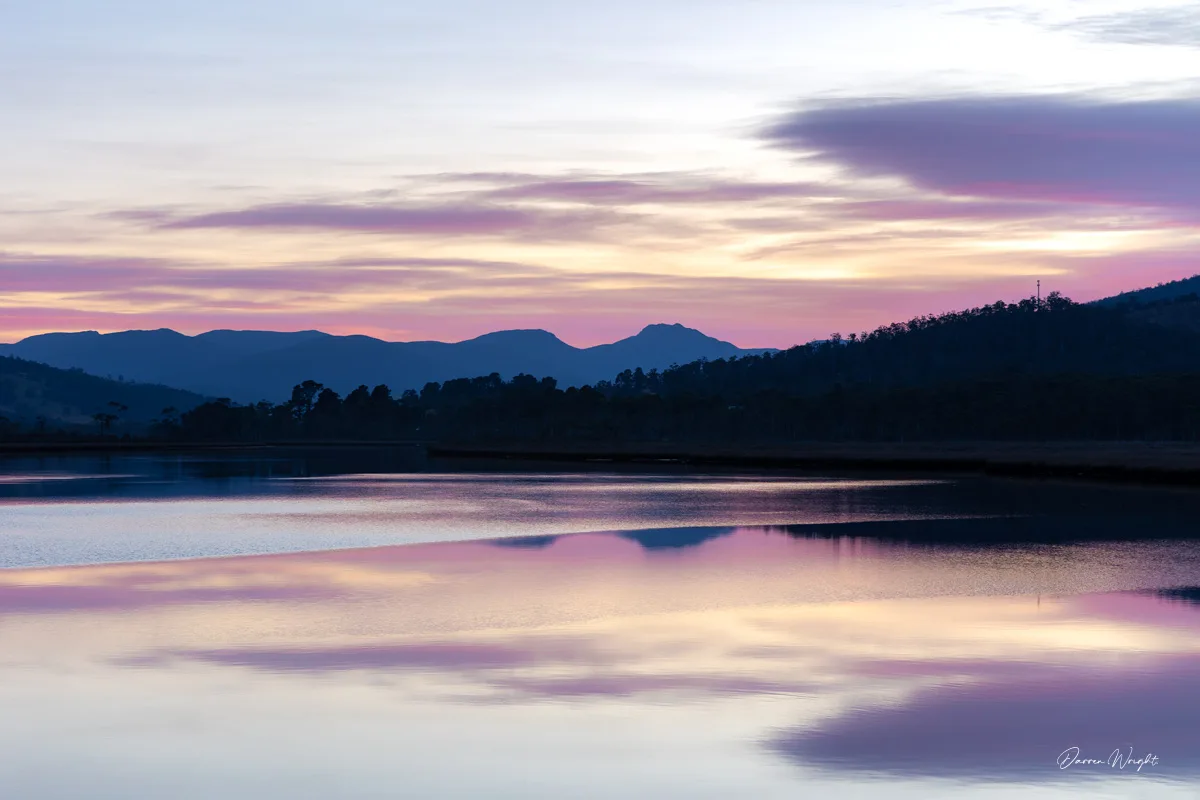
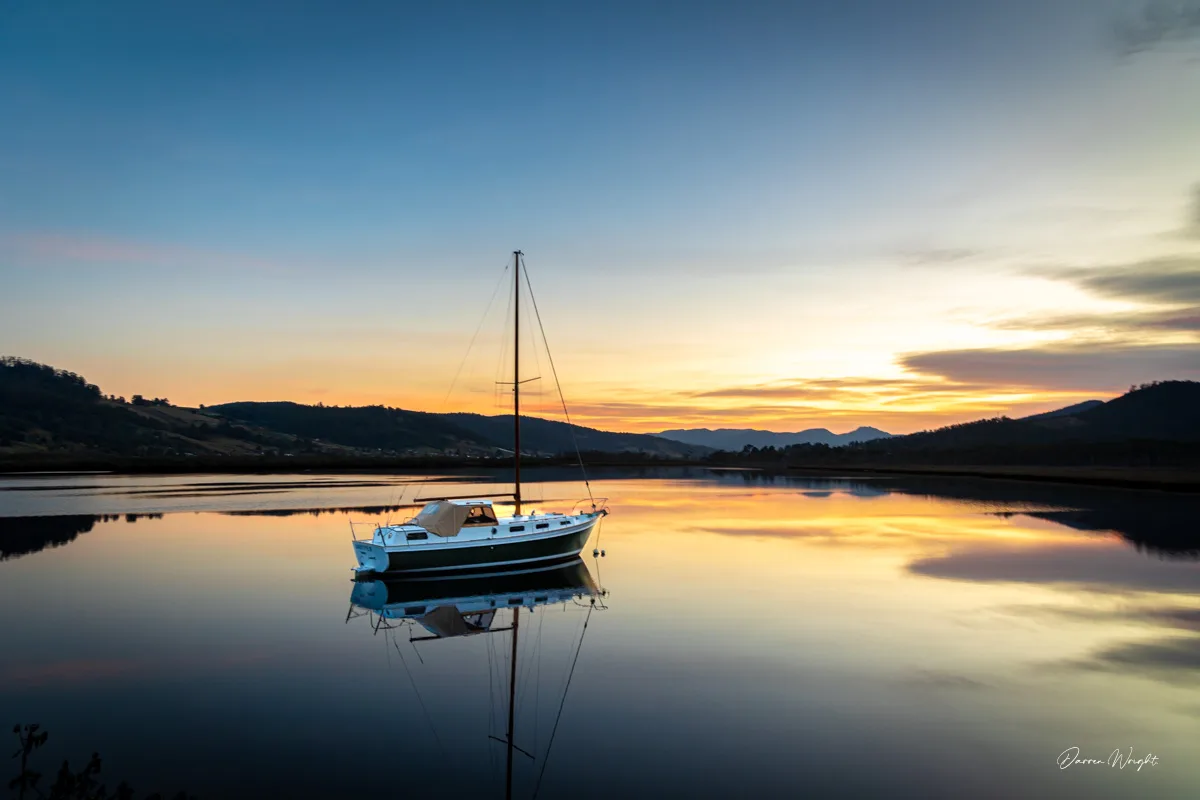
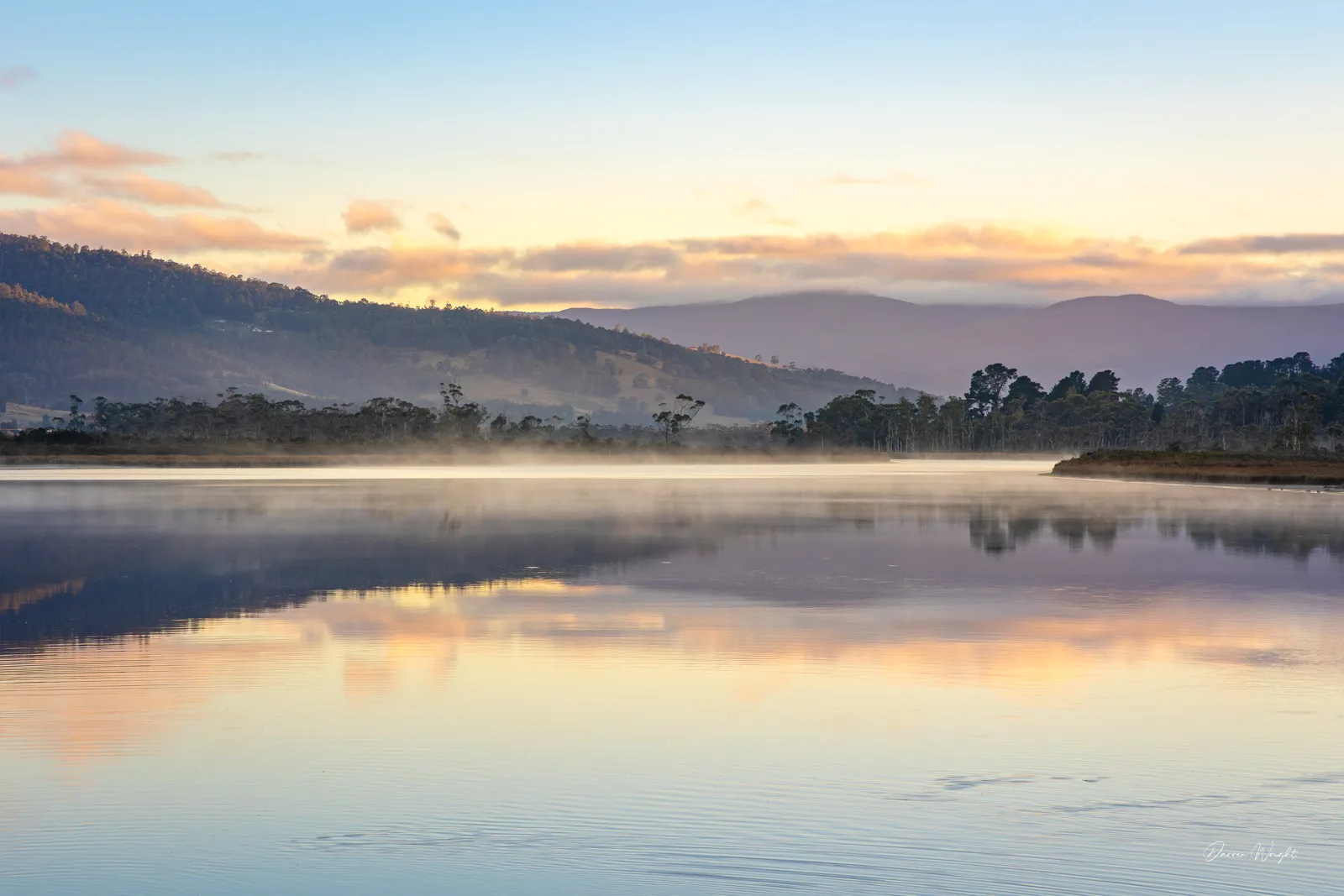
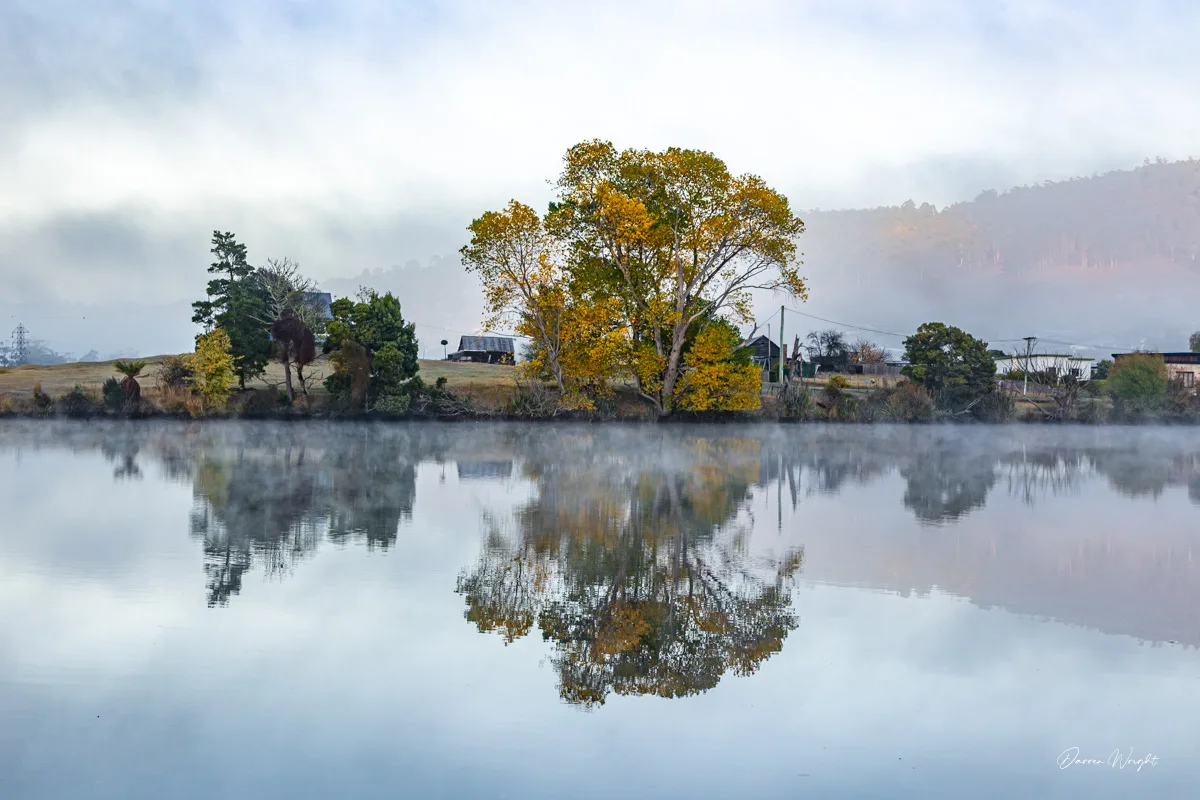
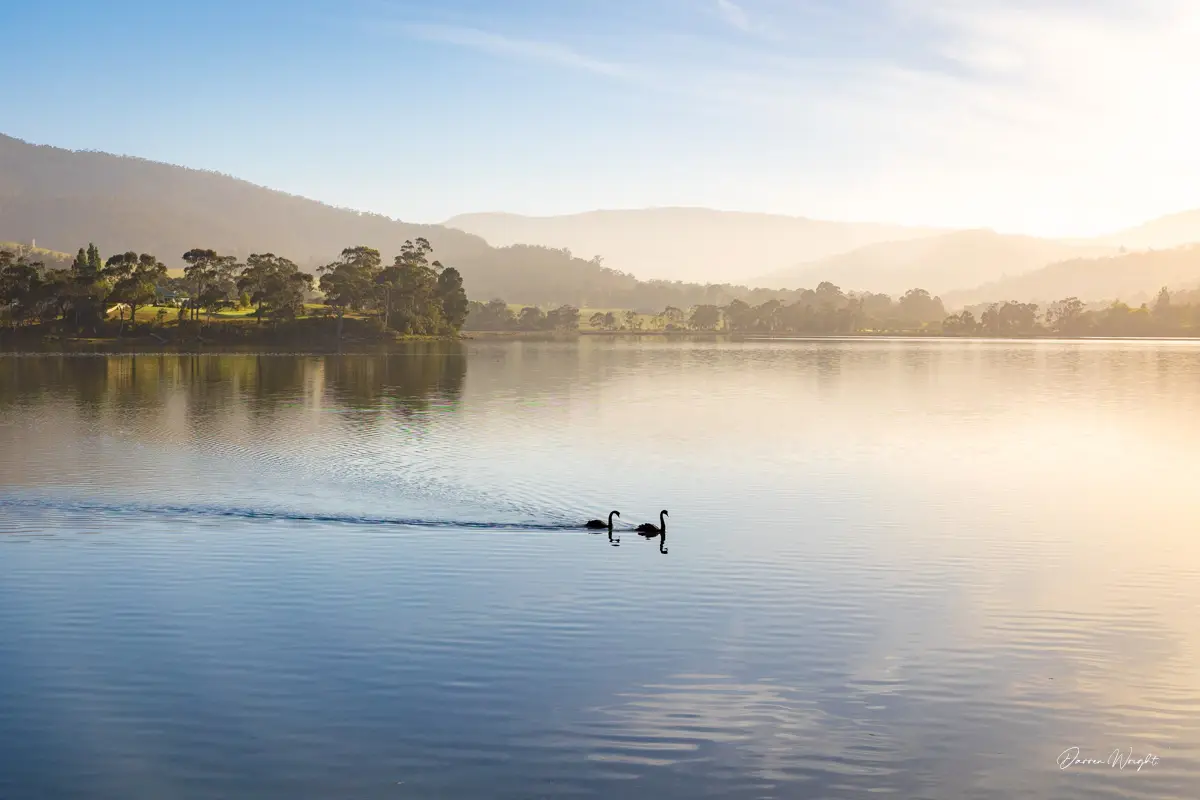
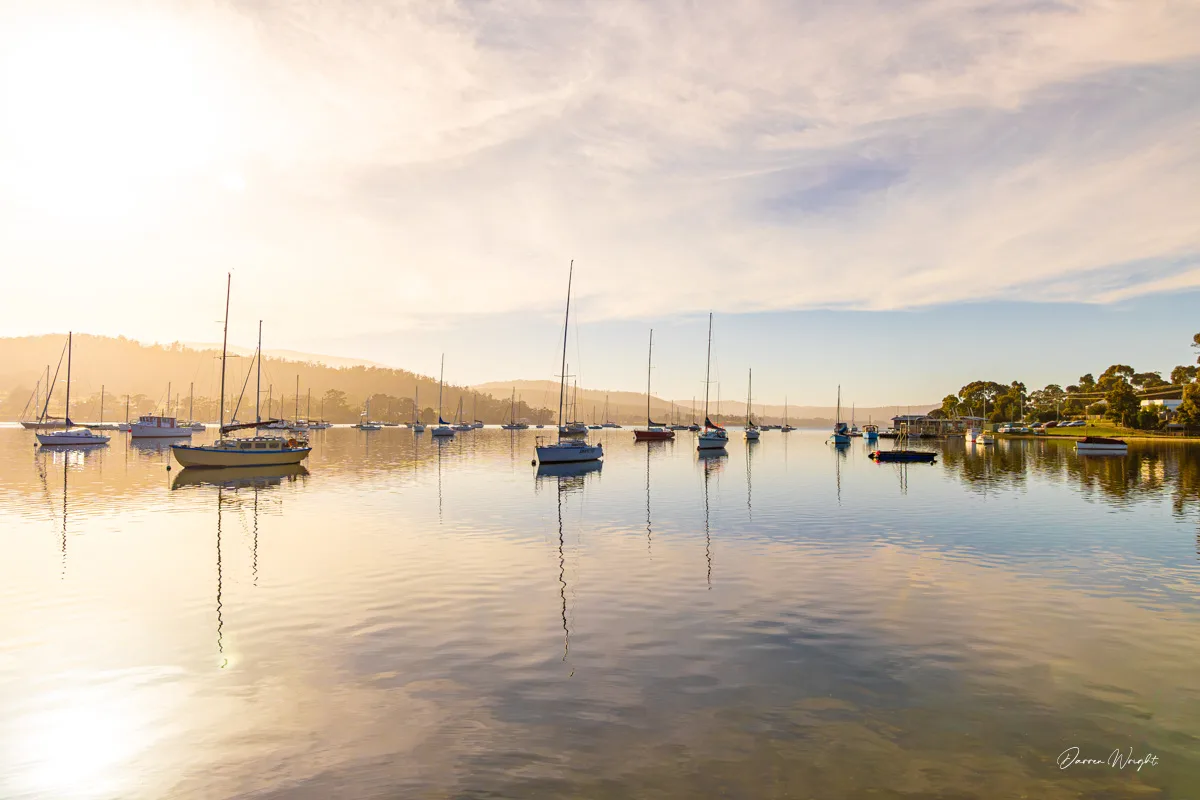
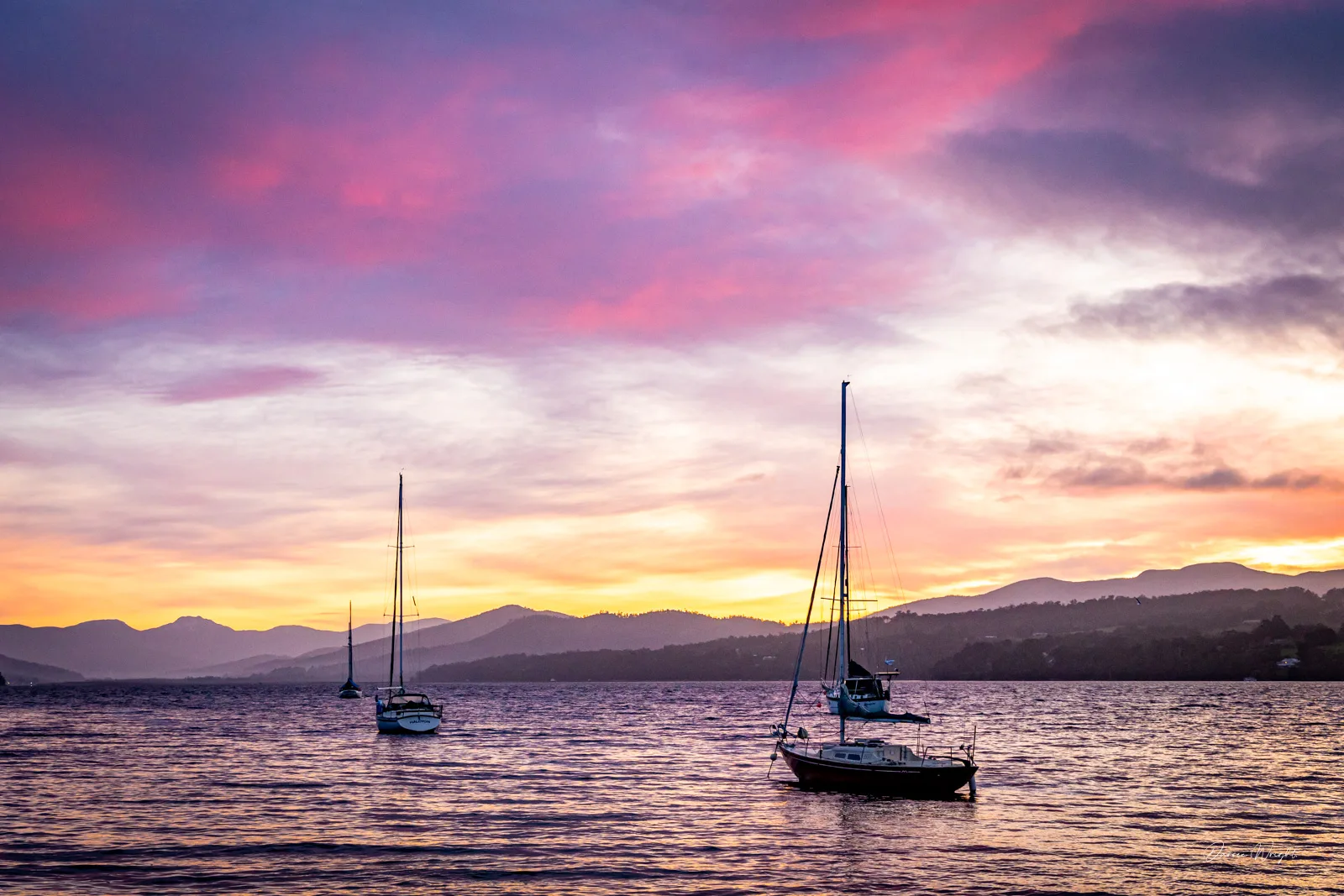
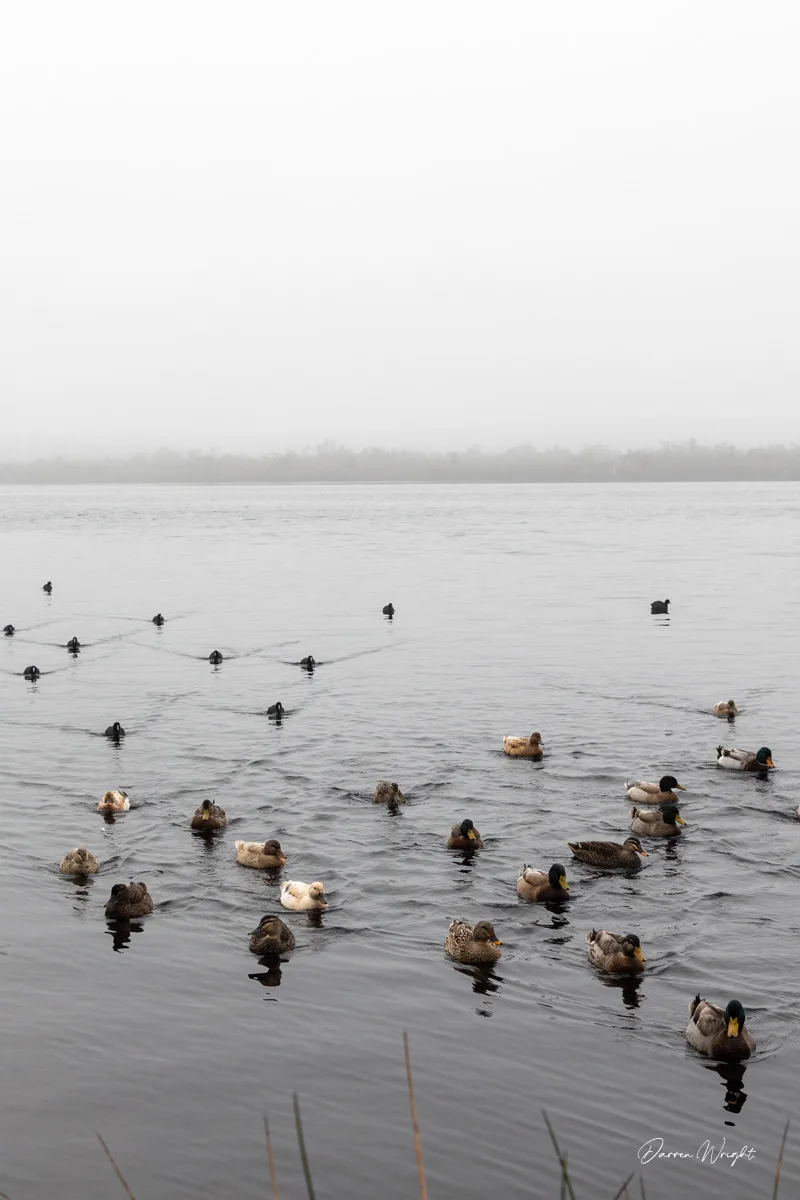
For photographers, the river’s pull lies in the way it carries light. On calm mornings at Franklin, the tannin-rich water settles into a perfect mirror, holding reflections of moored boats, soft sky colour, and the quiet rhythm of the day waking up. In winter, fog drifts up from the lower valley, thickening and thinning as it moves. Cold air slipping off the surrounding ranges meets the moisture sitting above the river—creating those delicate layers of mist that settle over the water and cling to the foreshore trees.
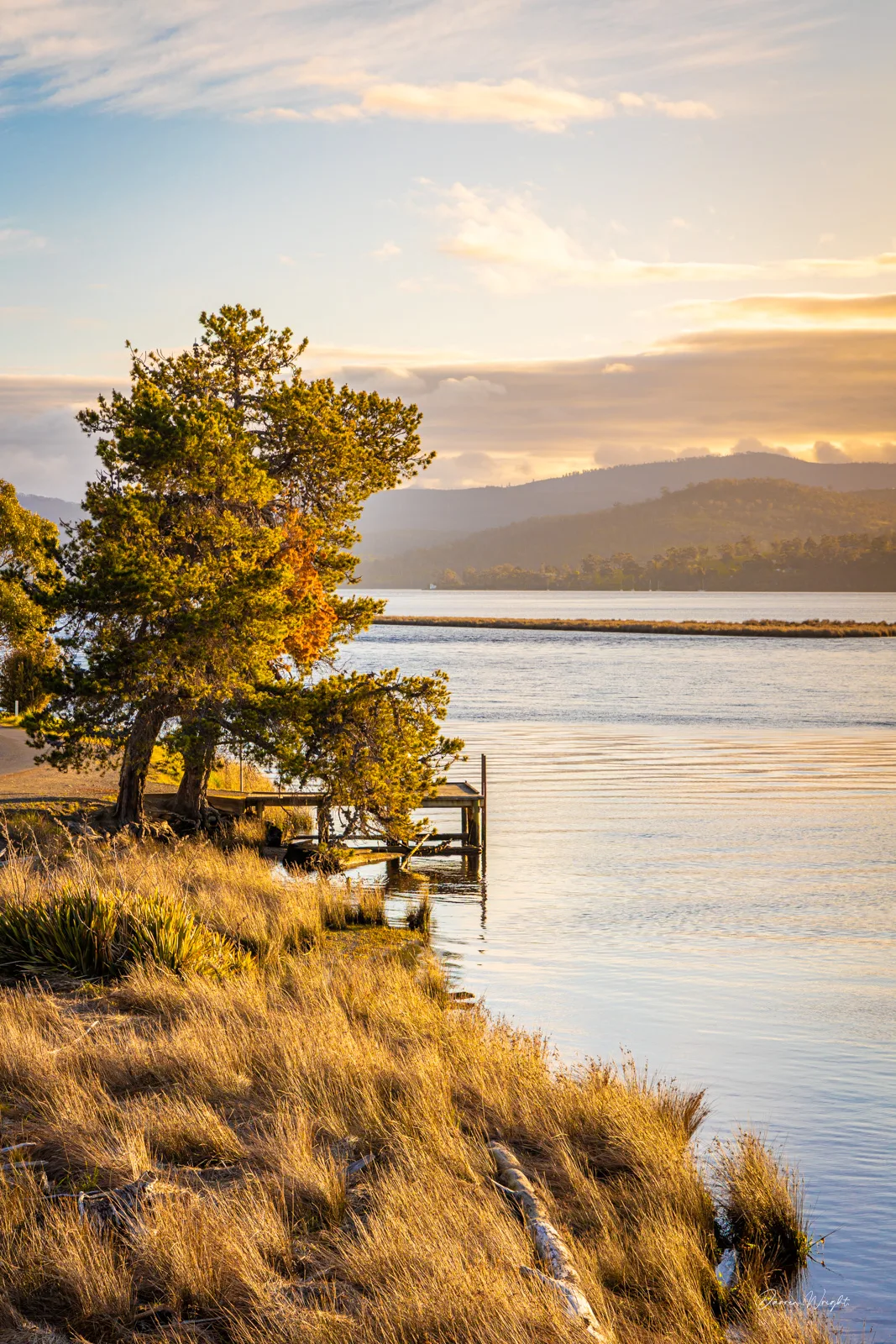
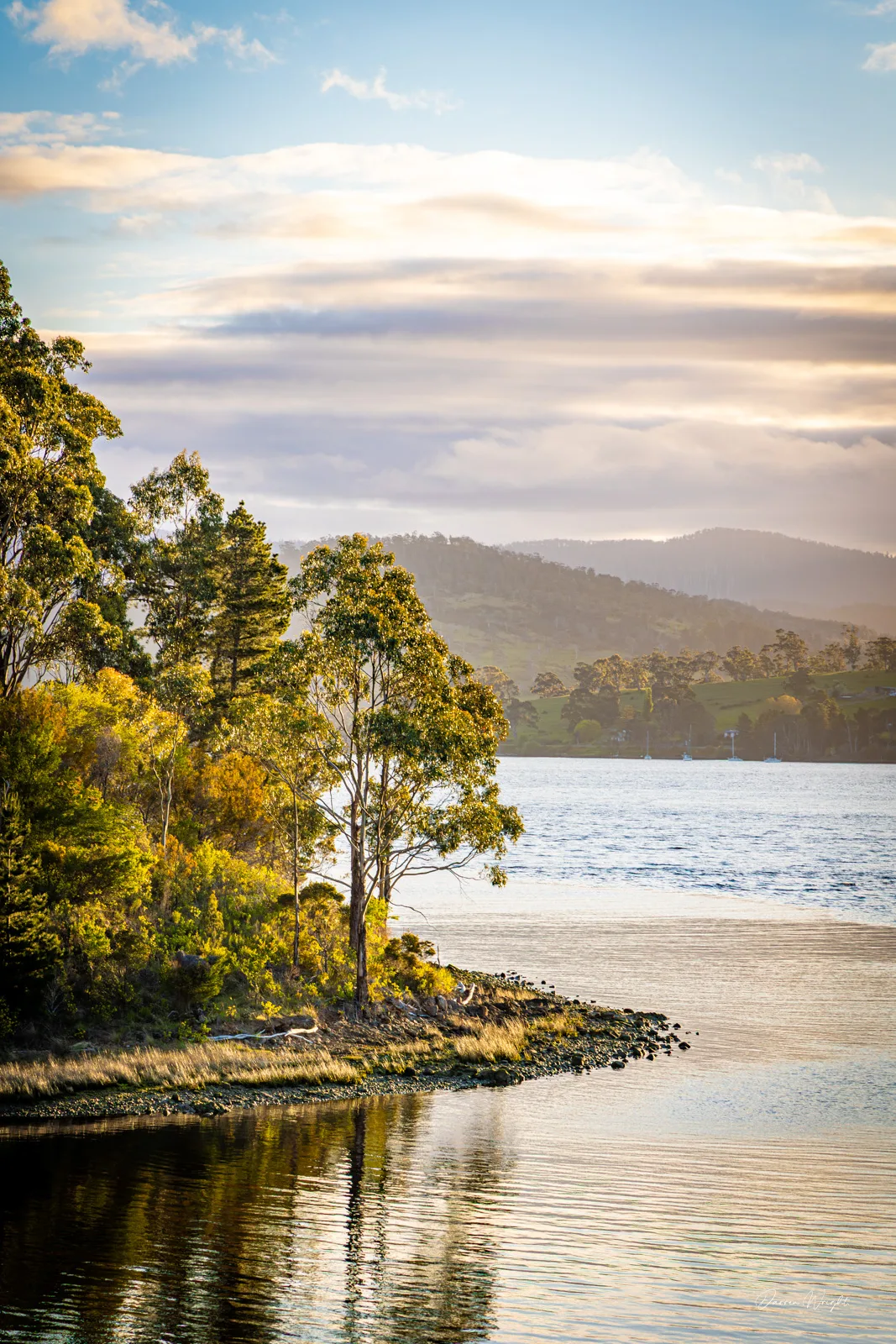
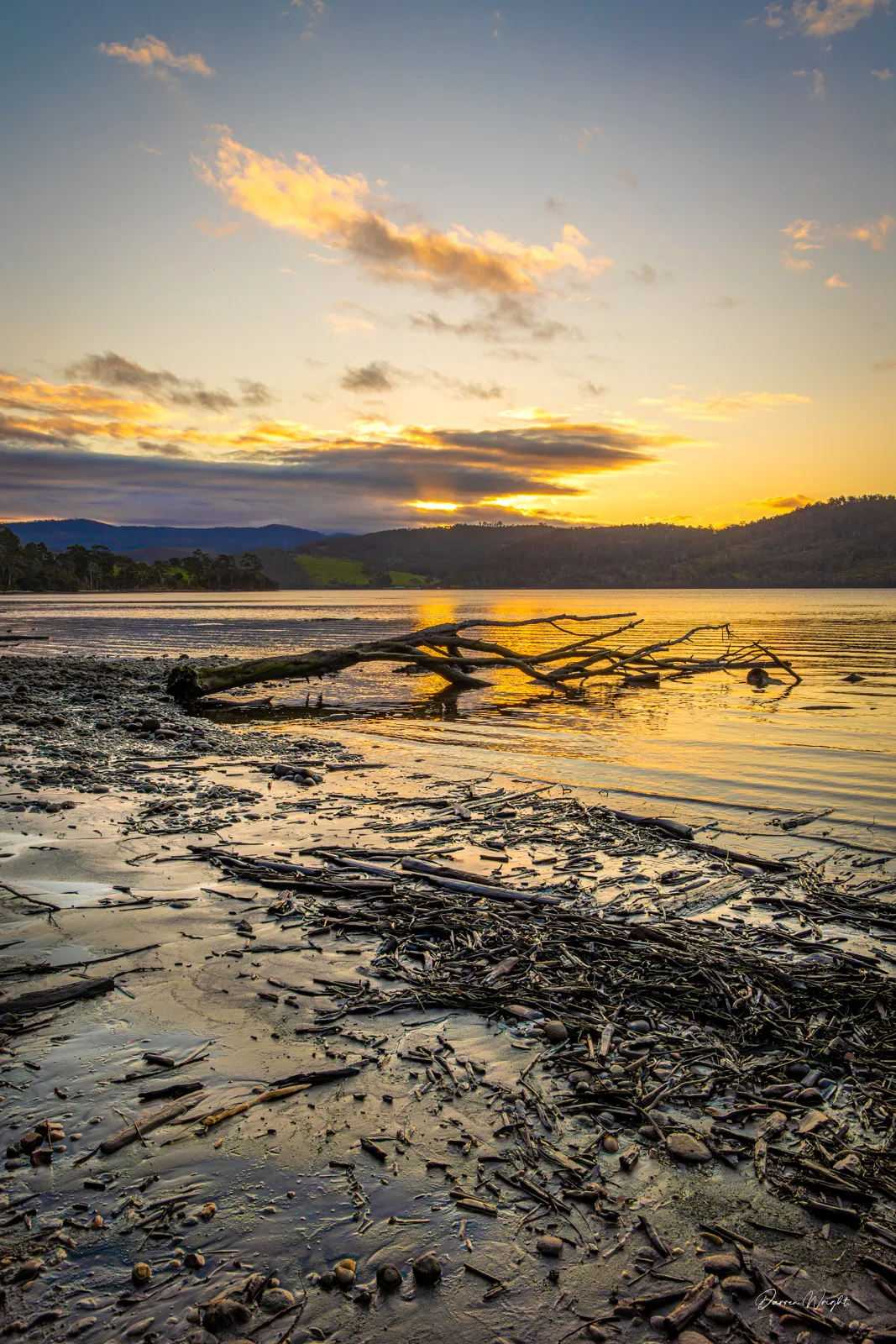
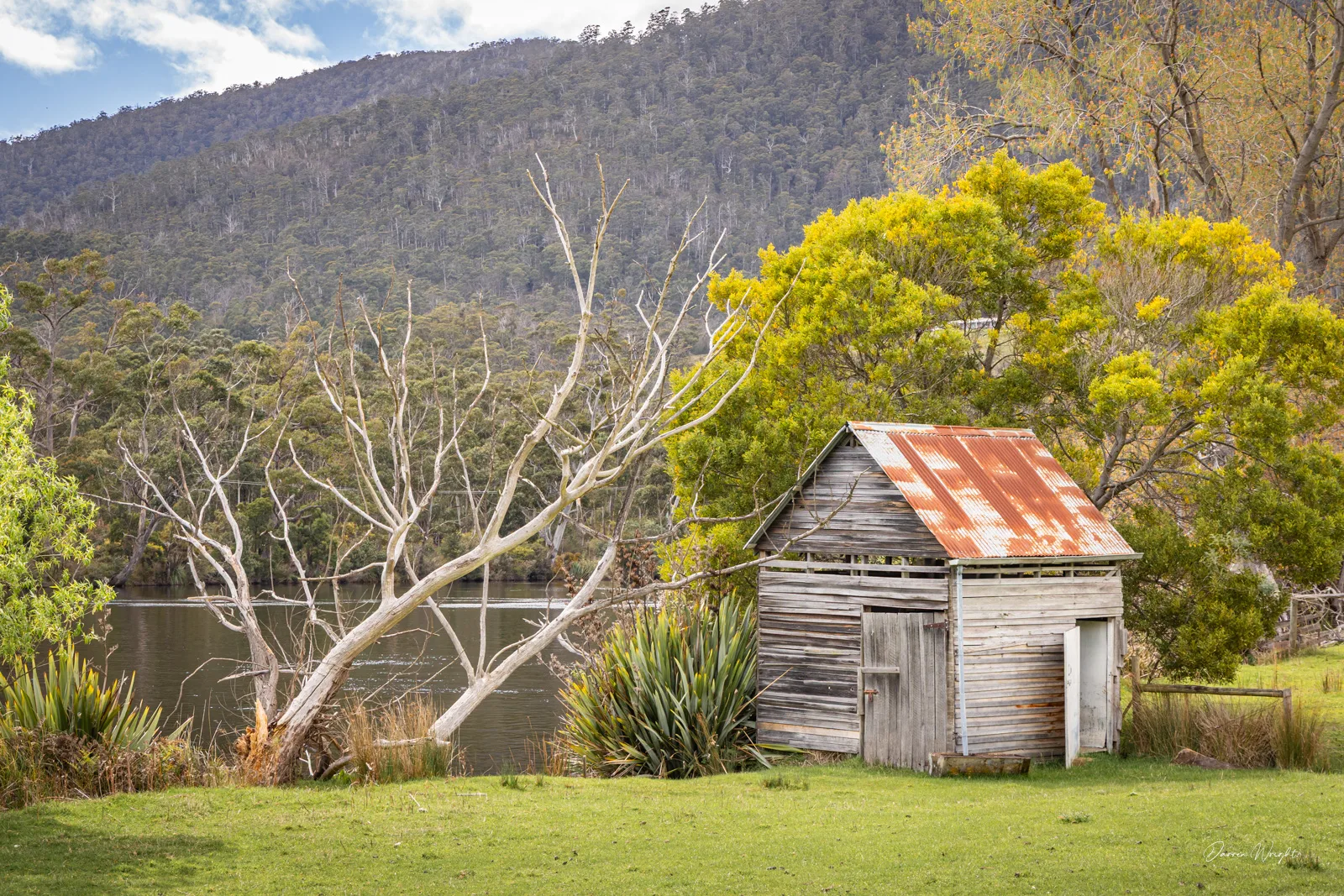
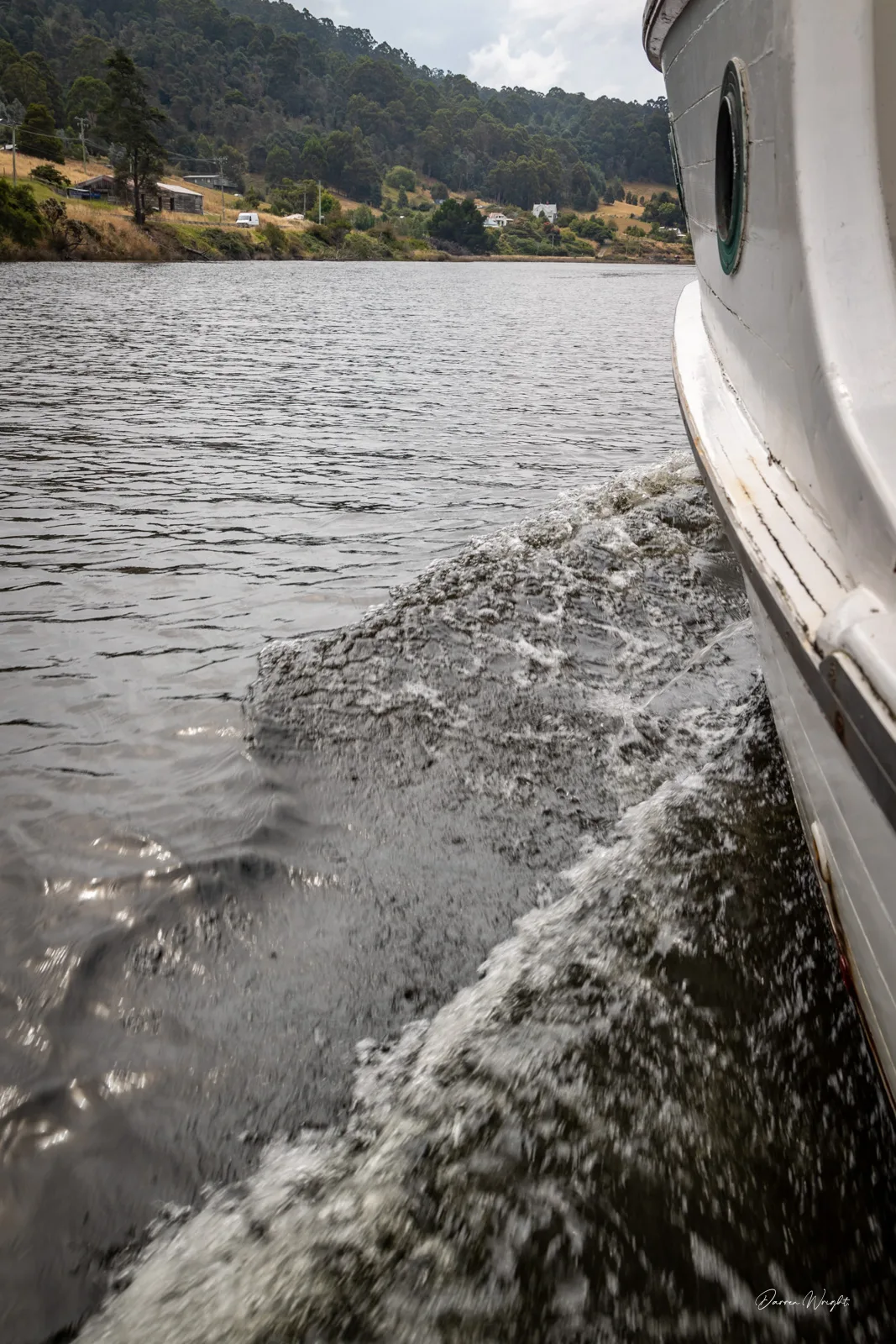
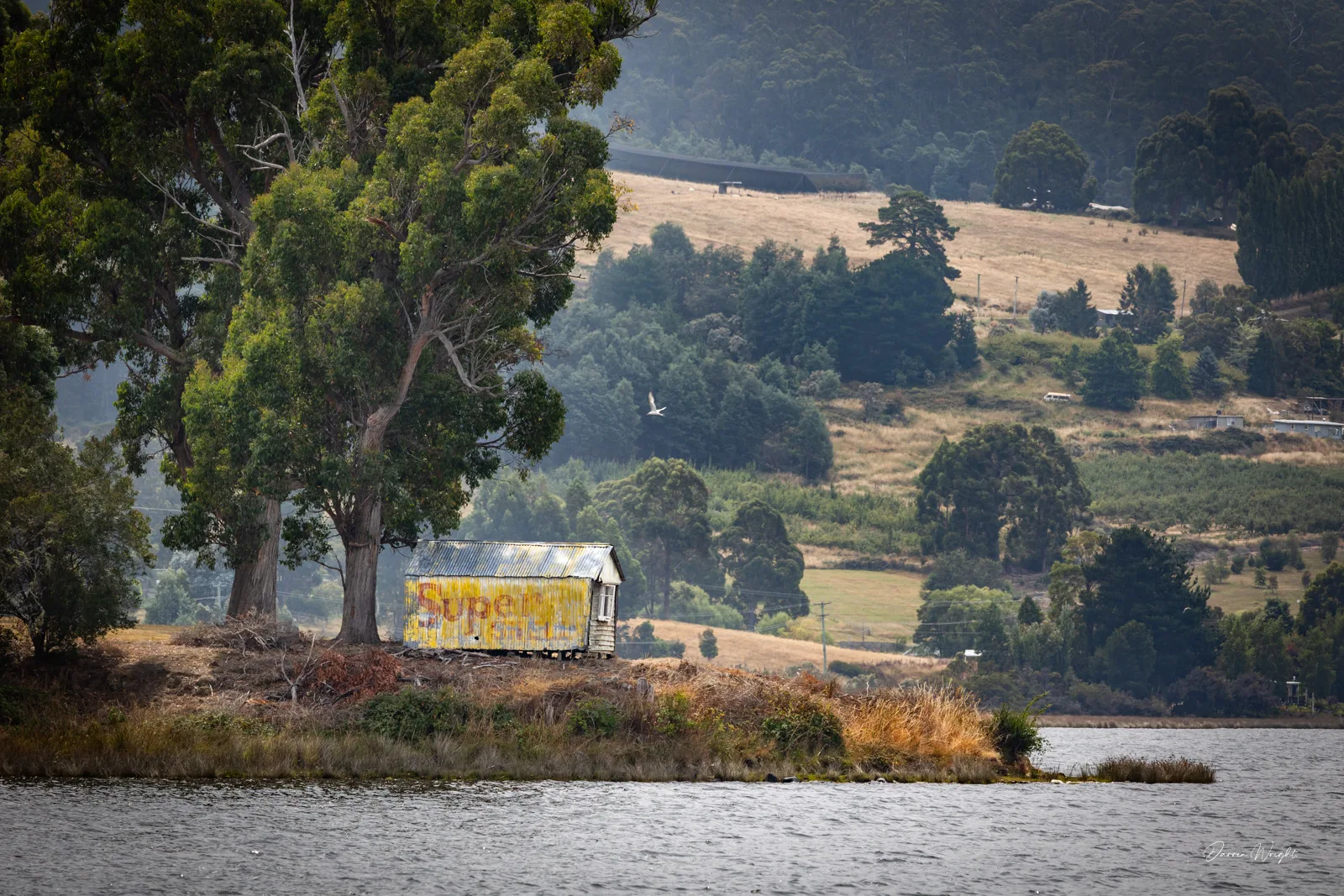
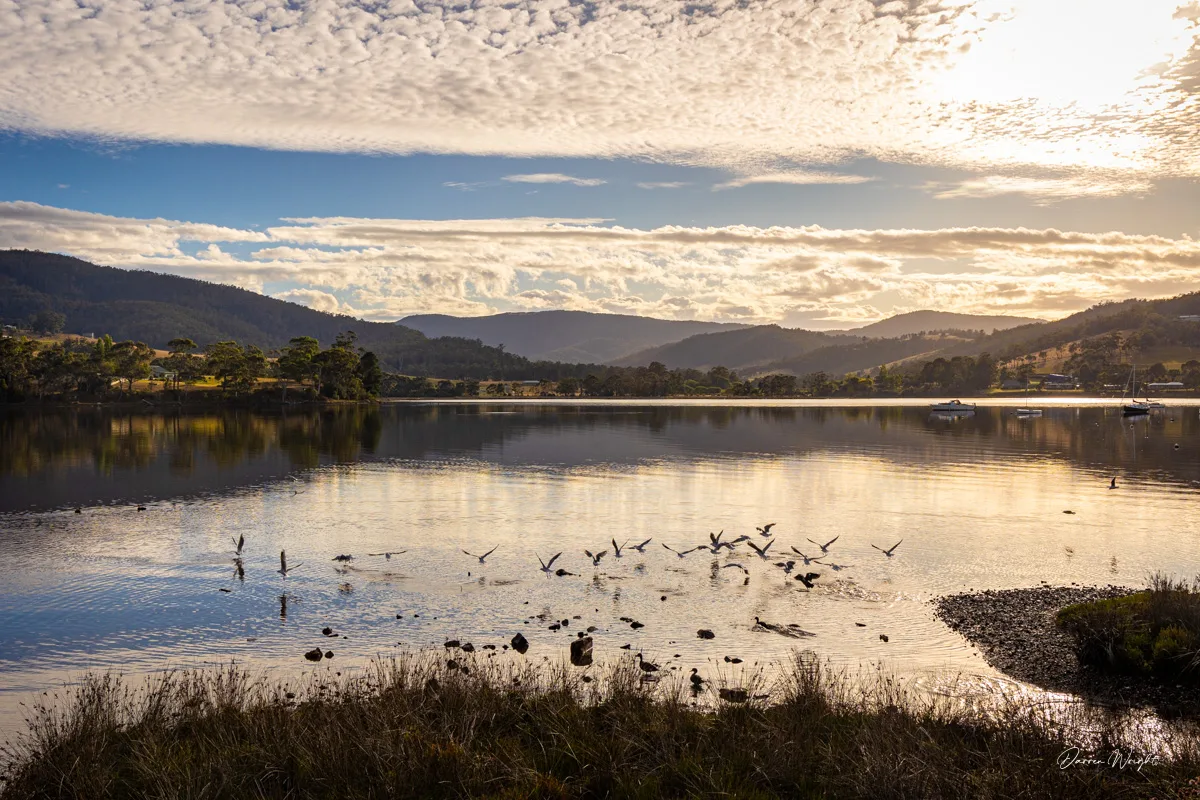
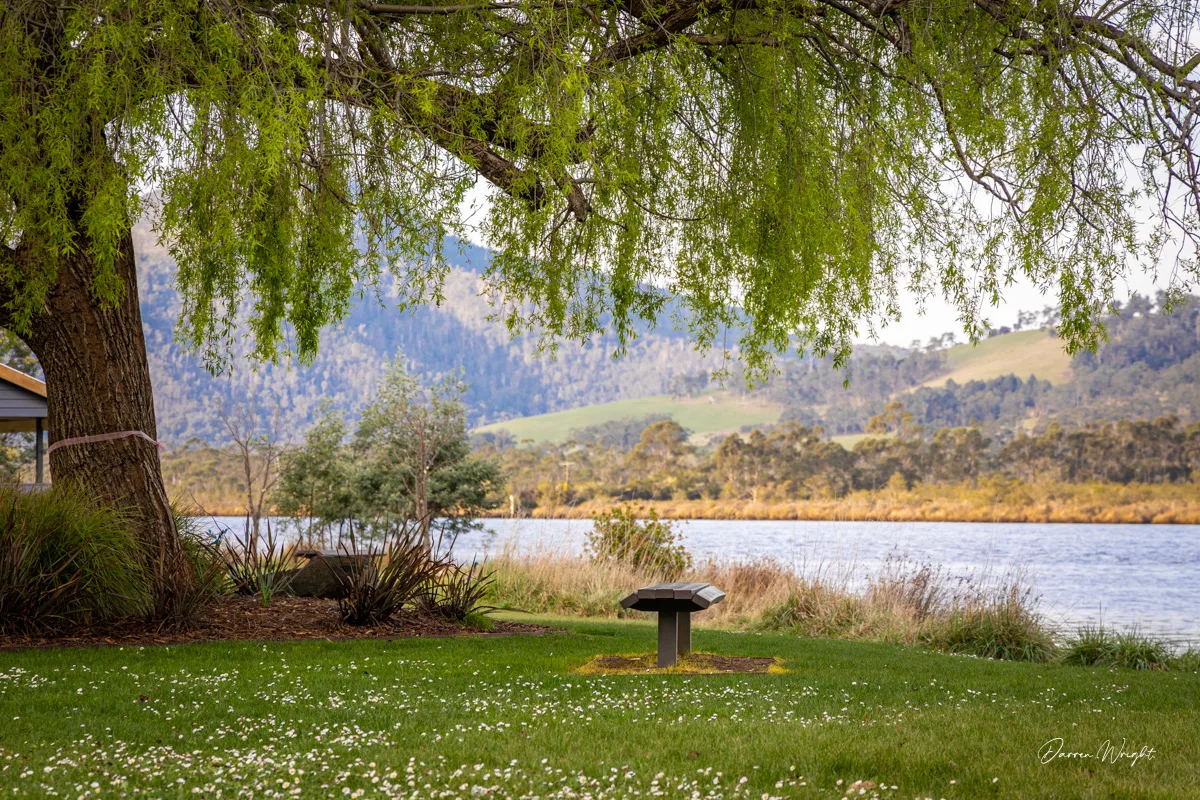
Below Huonville, the river becomes tidal, and that brings a different pace entirely. Water levels shift, colours change hour by hour, and seasonal light creates new textures on familiar viewpoints. Autumn is particularly striking—yellows, soft greens and burnt-orange tones ripple across the surface. The Egg Islands, low marshy islands stretching more than ten kilometres south of Huonville, break up the river’s course and shelter rich birdlife, adding subtle movement to scenes that otherwise feel almost perfectly still.
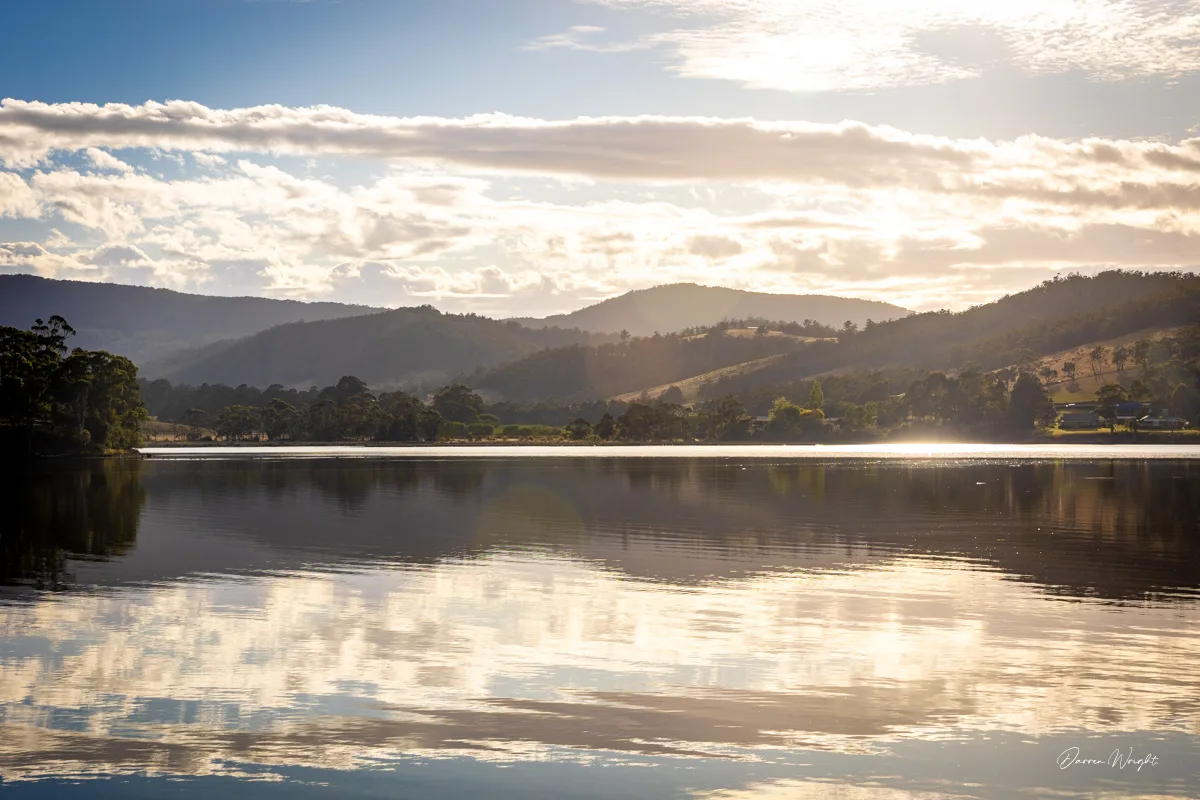
Early morning and late afternoon along the Huonville esplanade or Franklin’s foreshore often deliver the most memorable conditions. The Huon isn’t showy or dramatic—its beauty sits in the small details. It rewards patience: the shift of fog, the lift of a breeze, the way a patch of light suddenly falls across the water.
For photographers who love quieter, more contemplative landscapes, the Huon River offers an endless study in reflection and mood. It’s a place where the story of a working valley meets the soft, changeable character of the landscape—always familiar, yet never quite the same twice.