Mt Field National Park, Tasmania
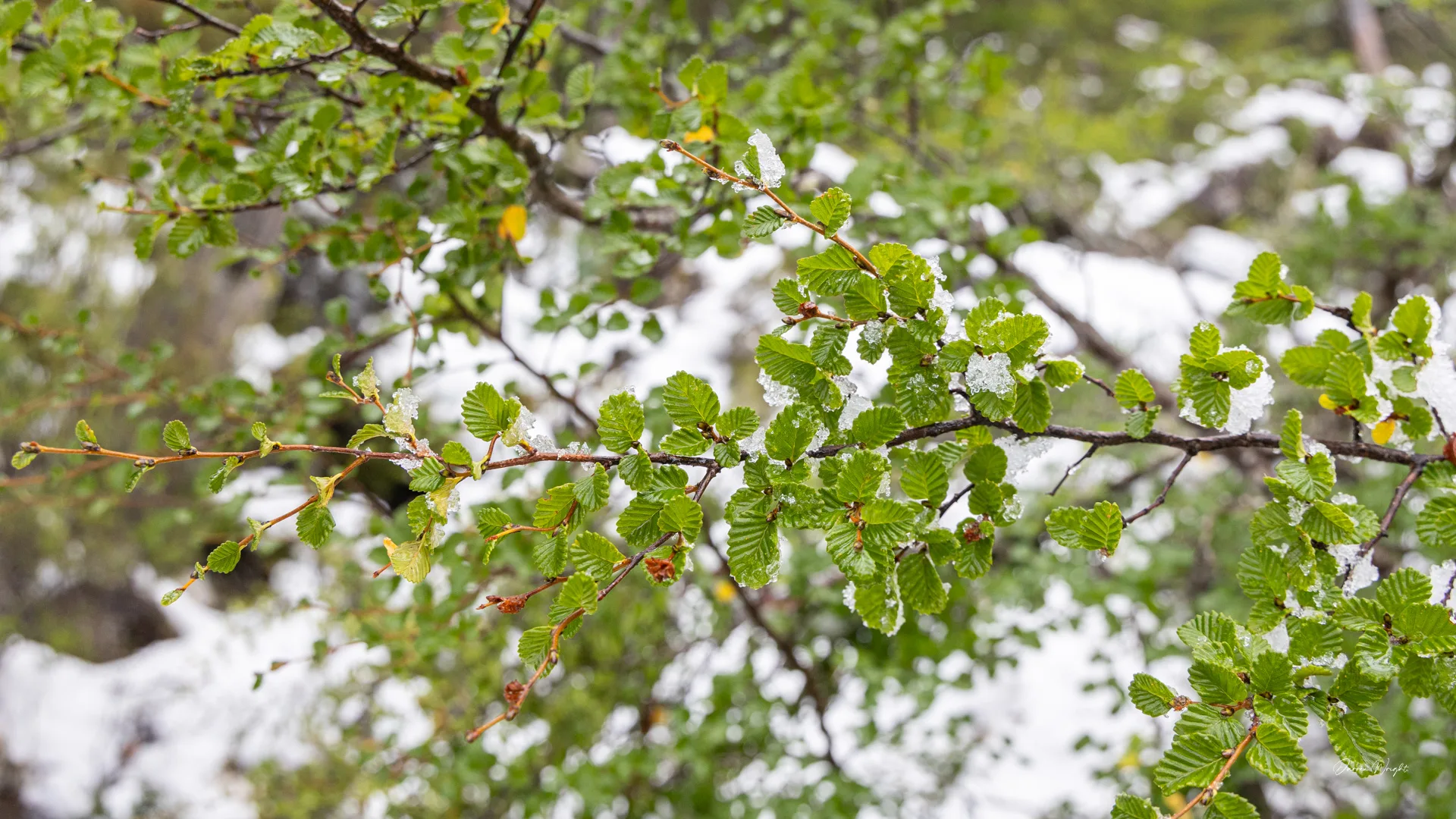
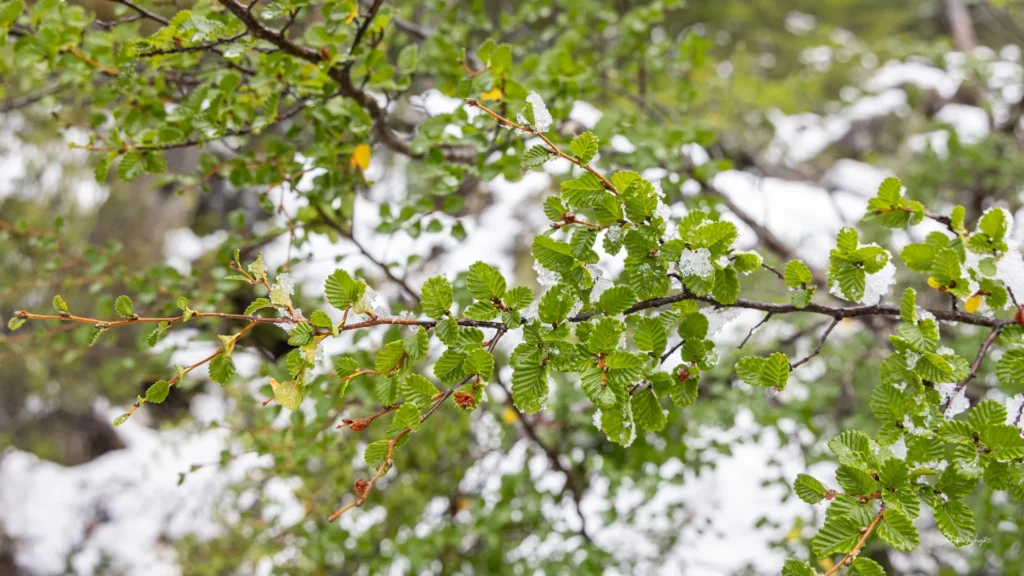
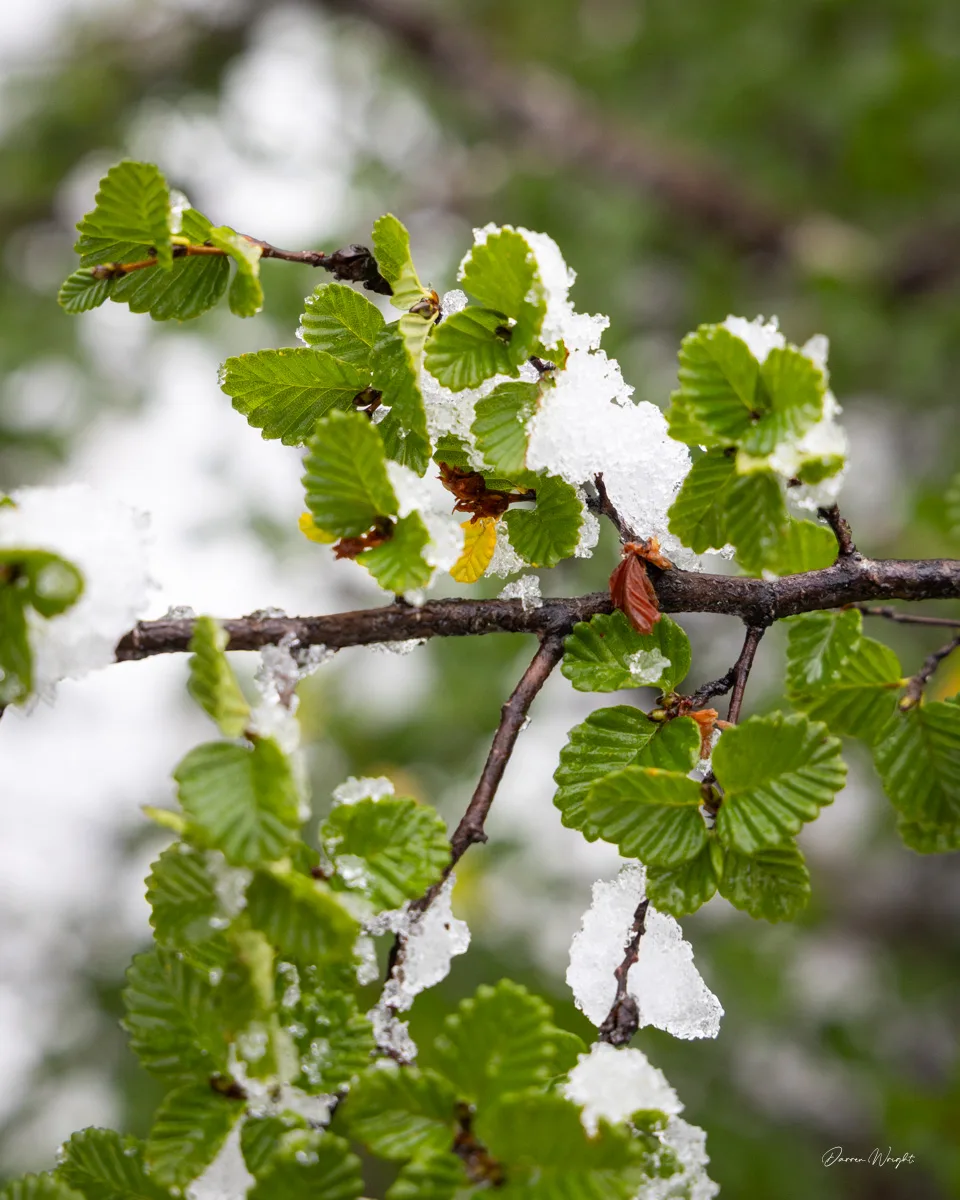
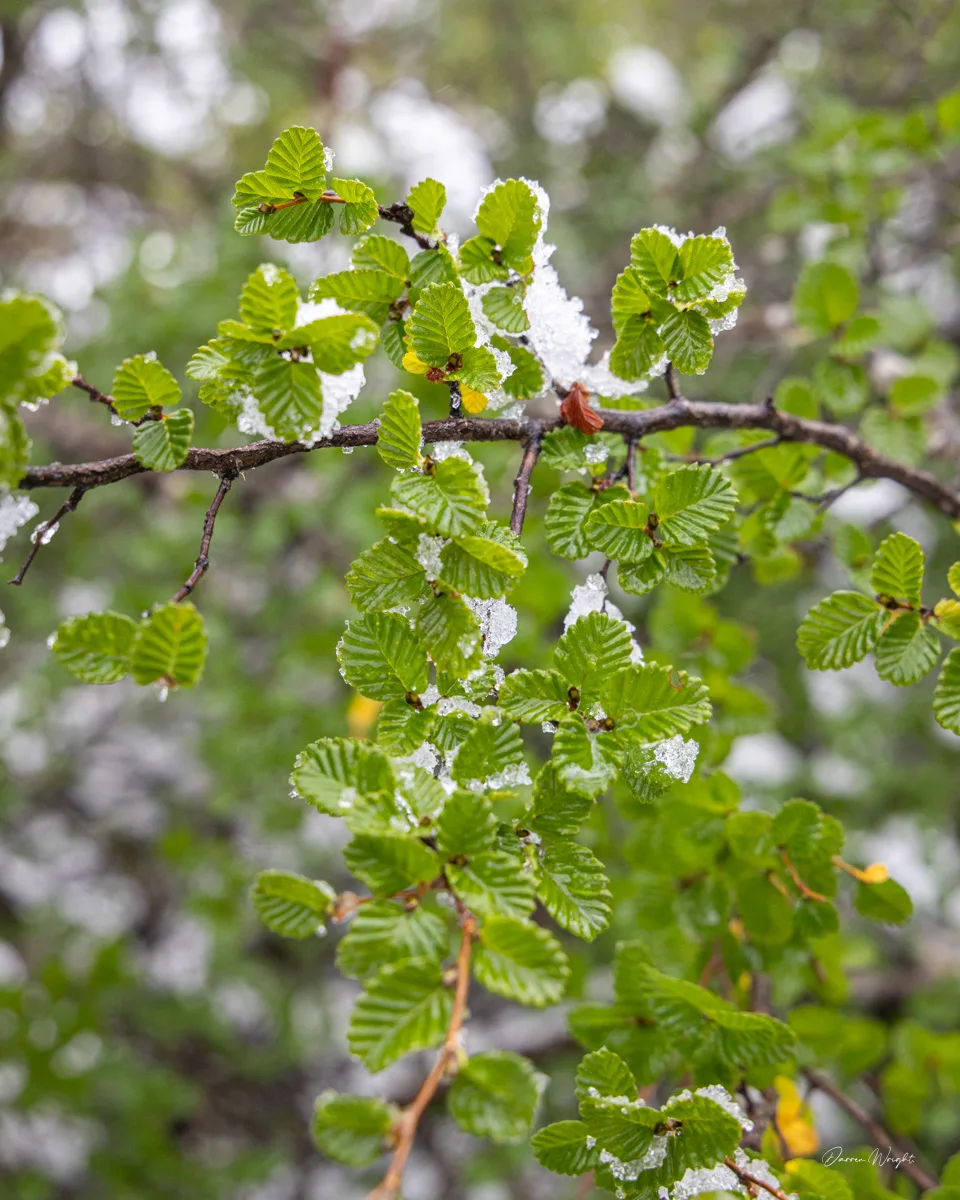
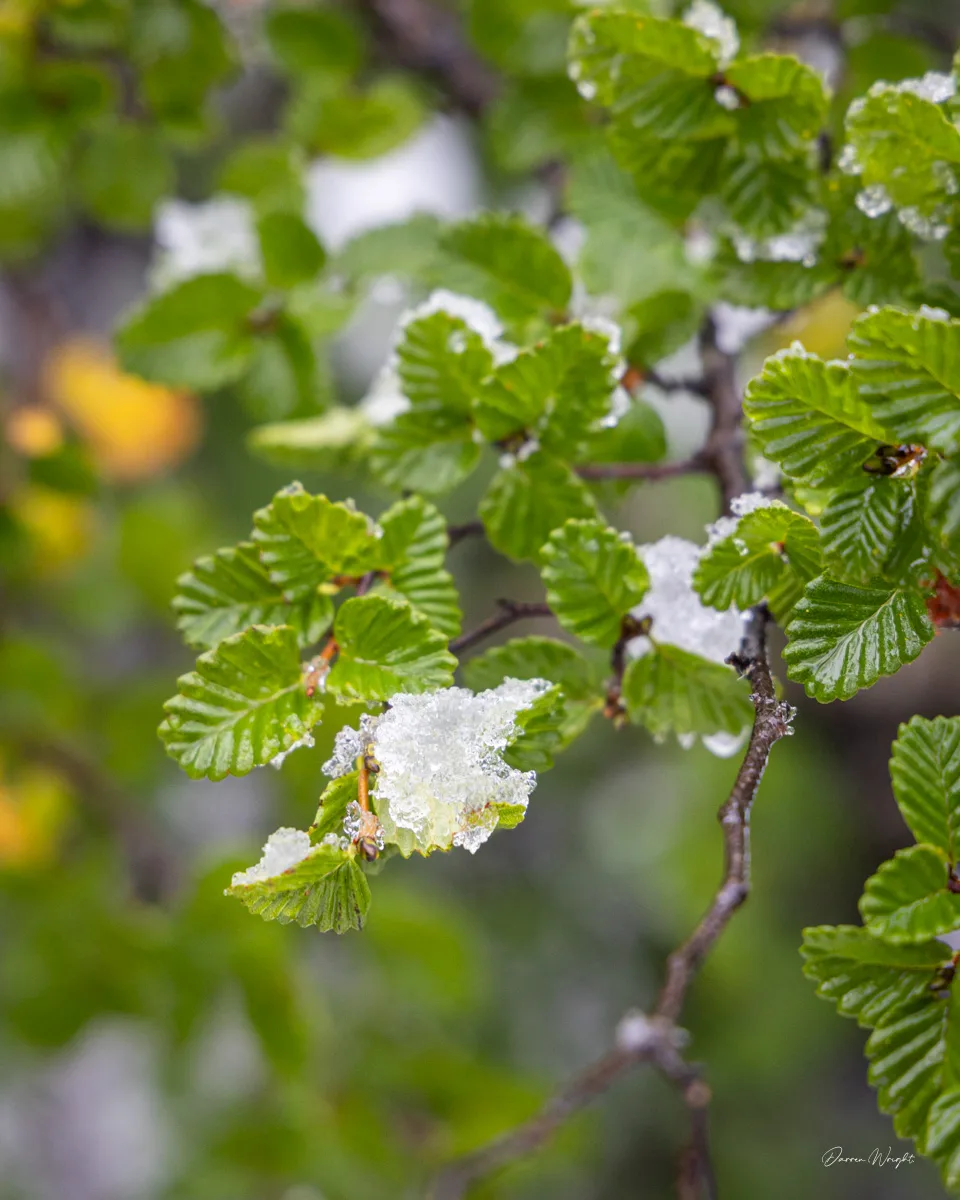
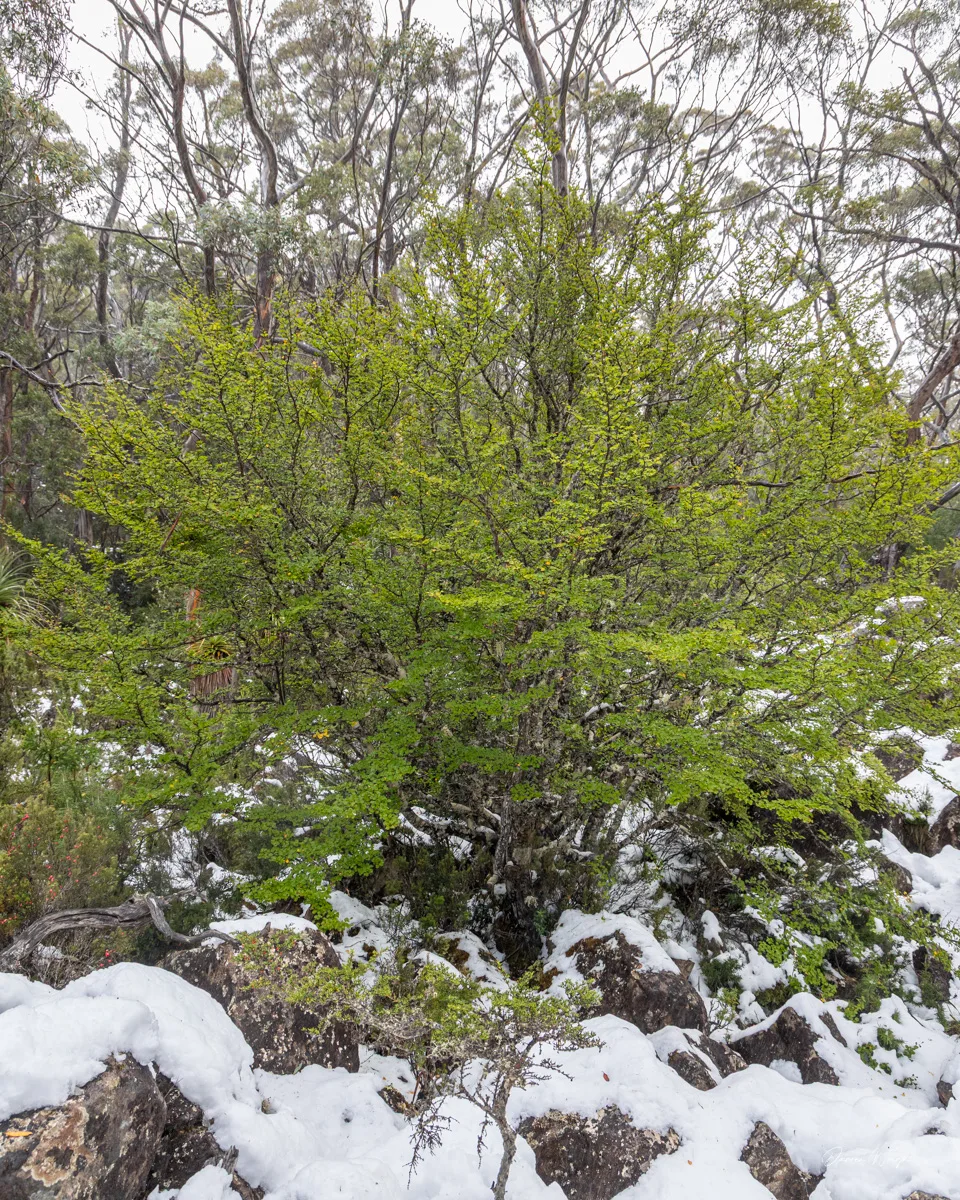
Mid April is generally a little early to catch the turning of the fagus, but with snow around, I just had to go for a peek.
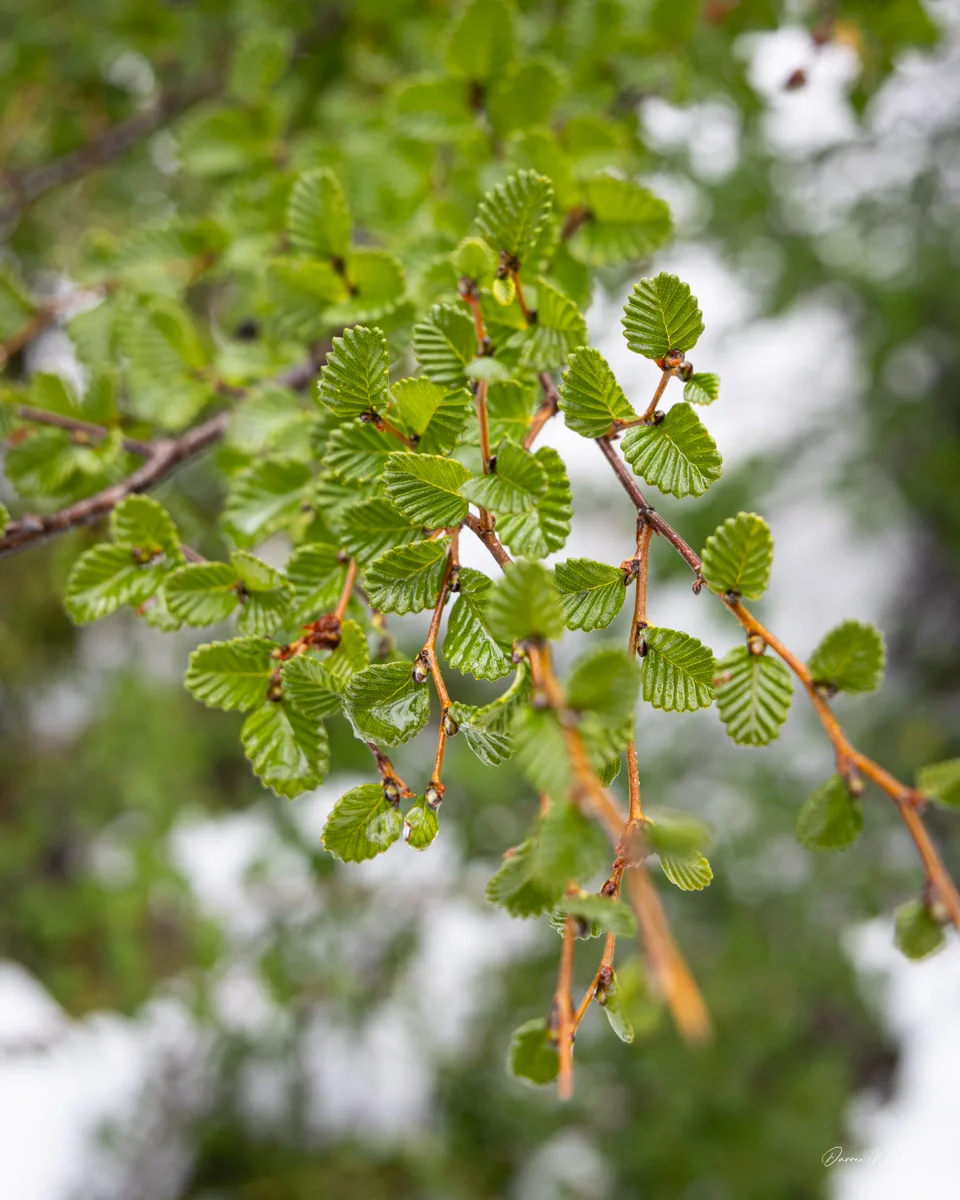
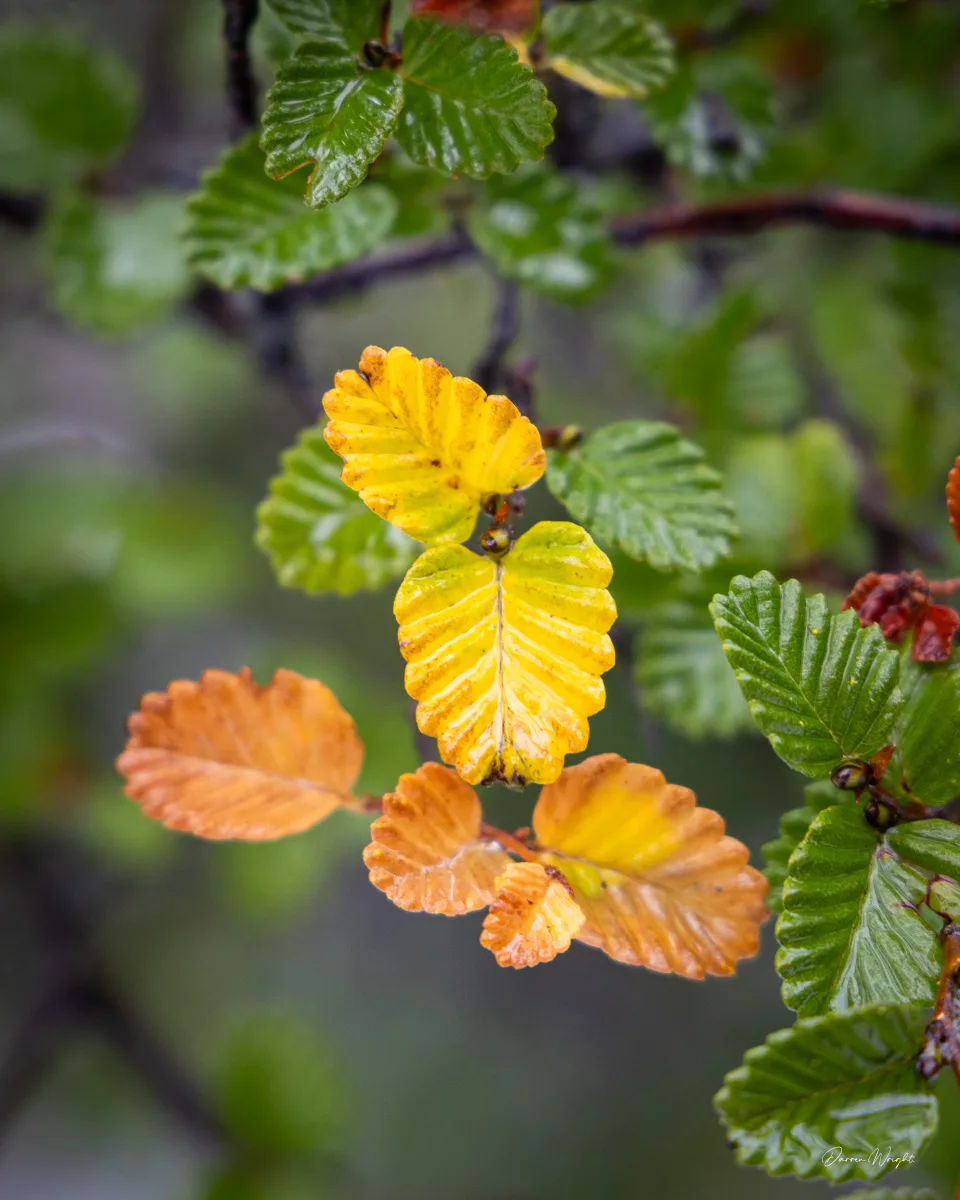
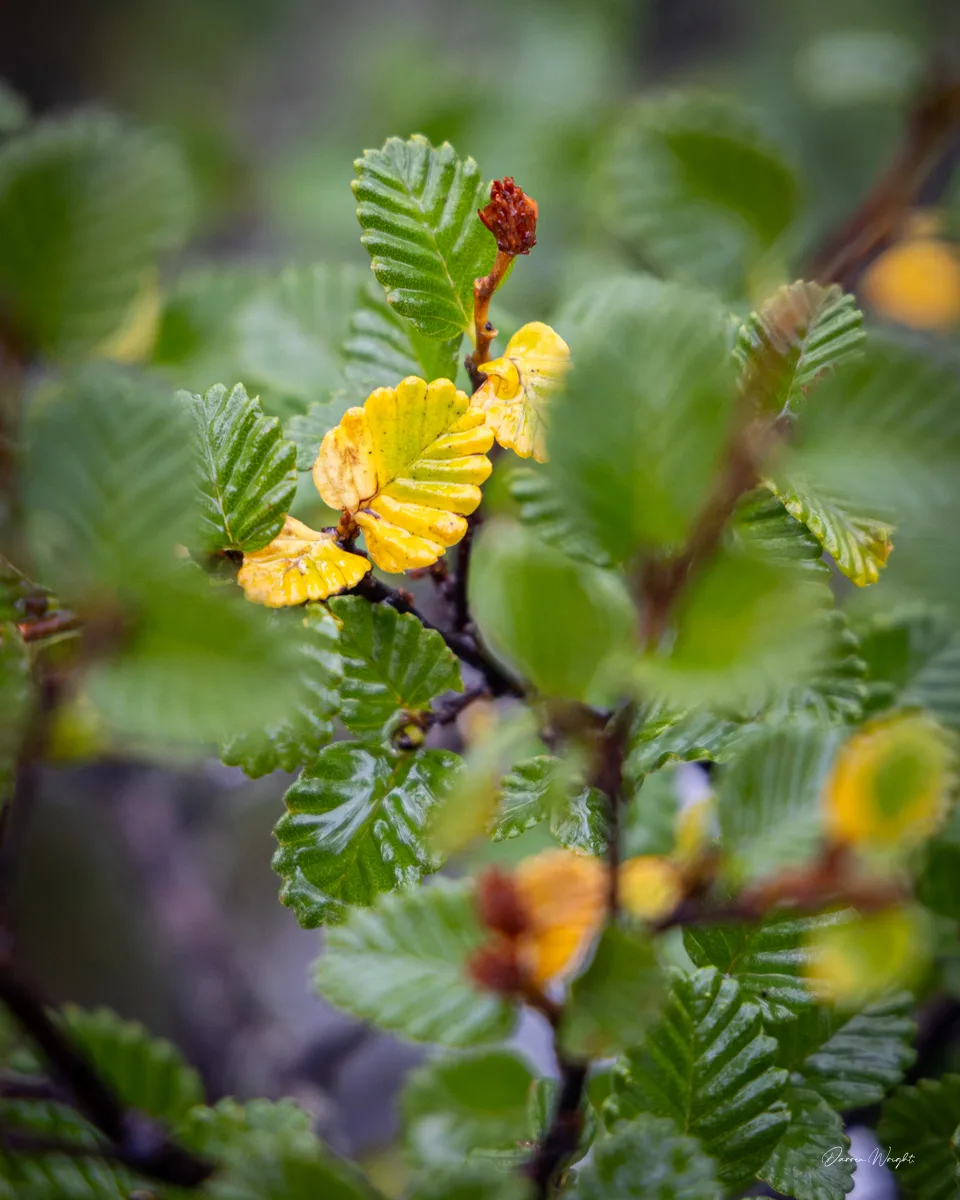
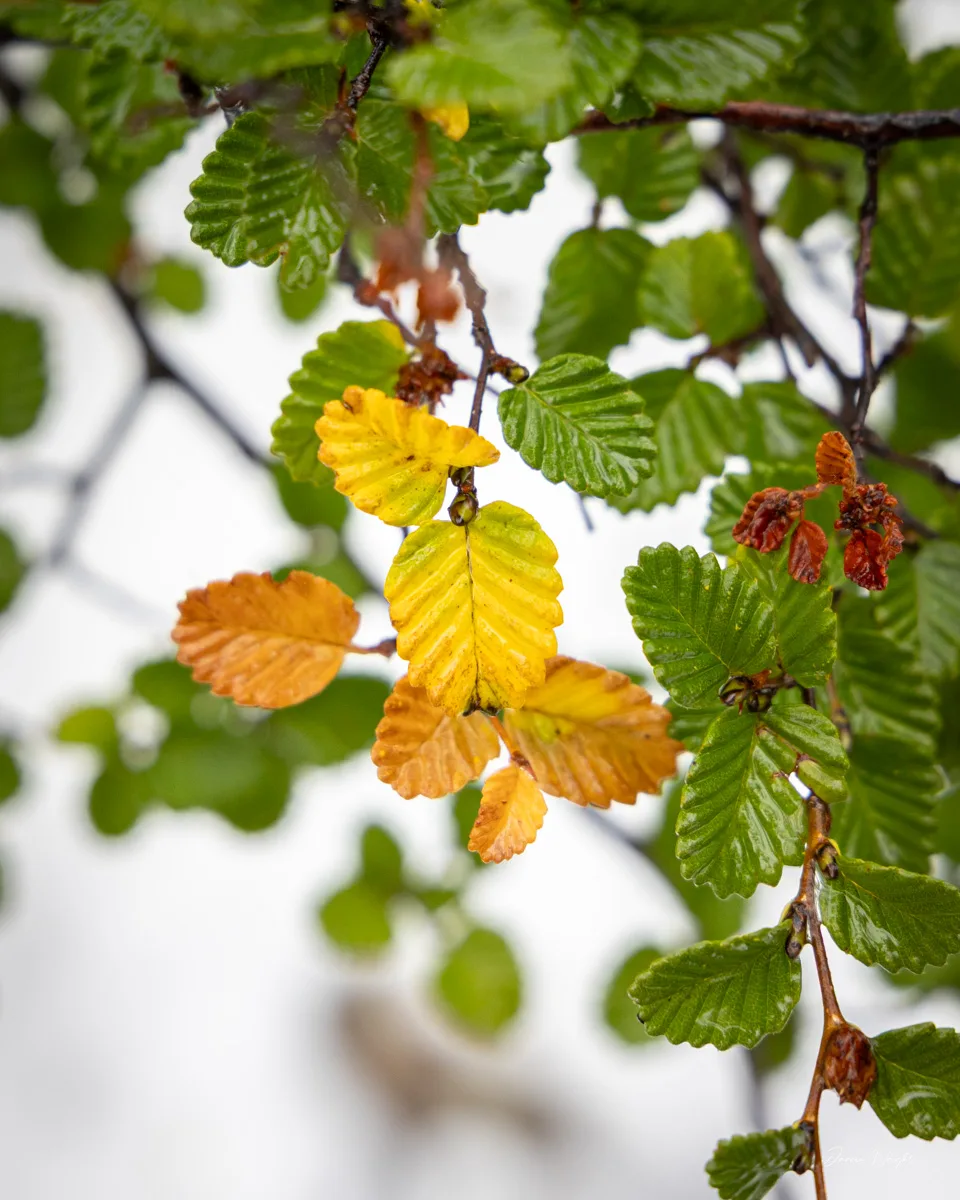
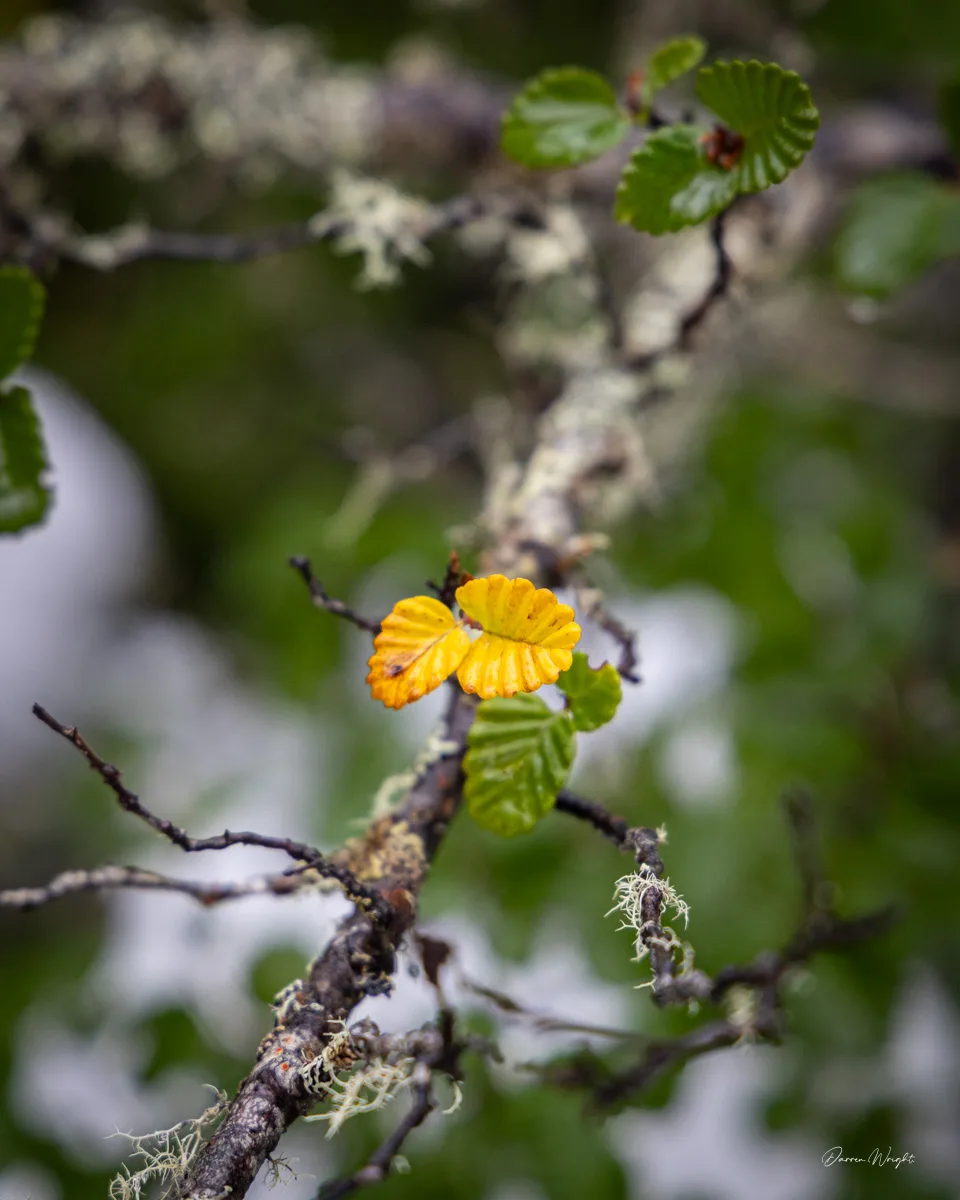
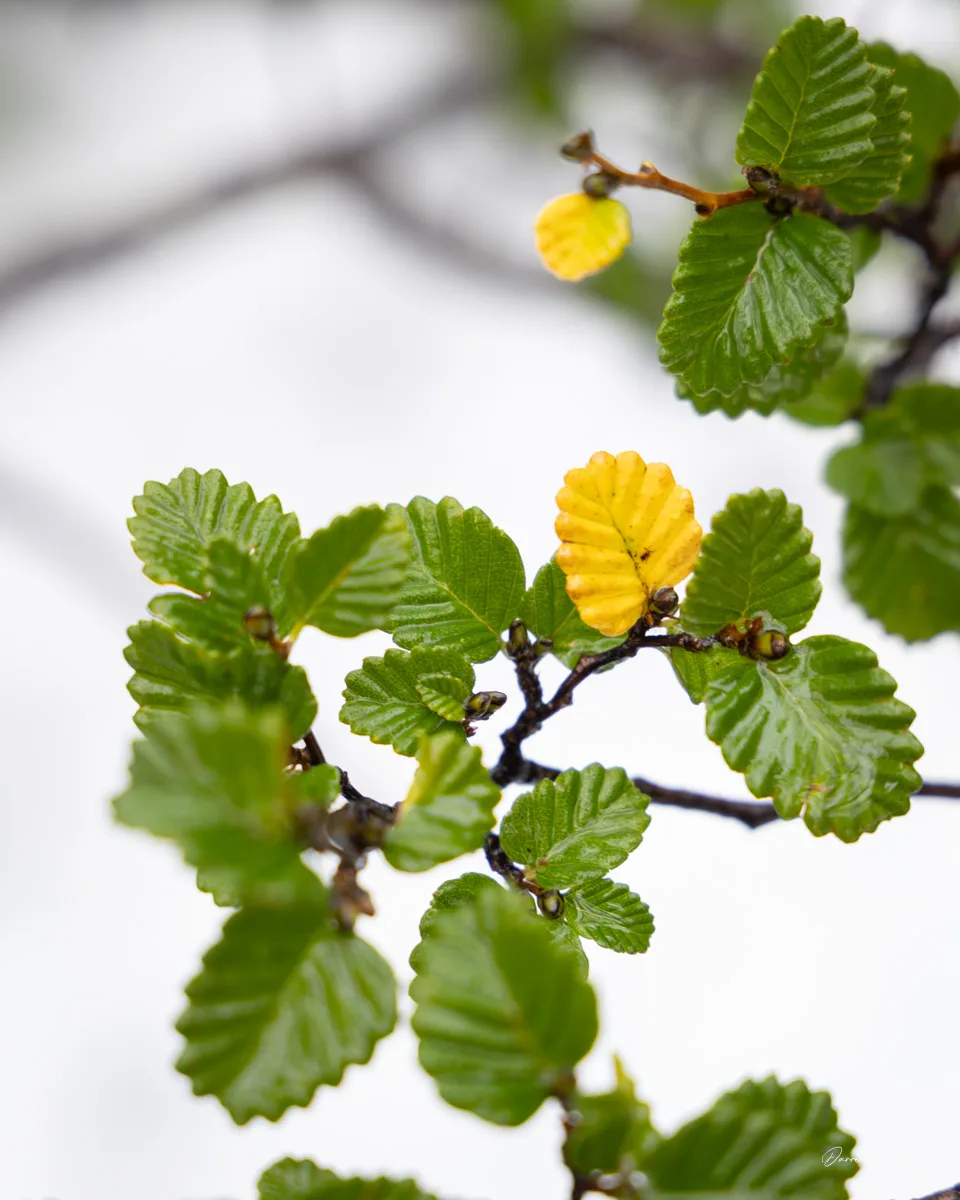
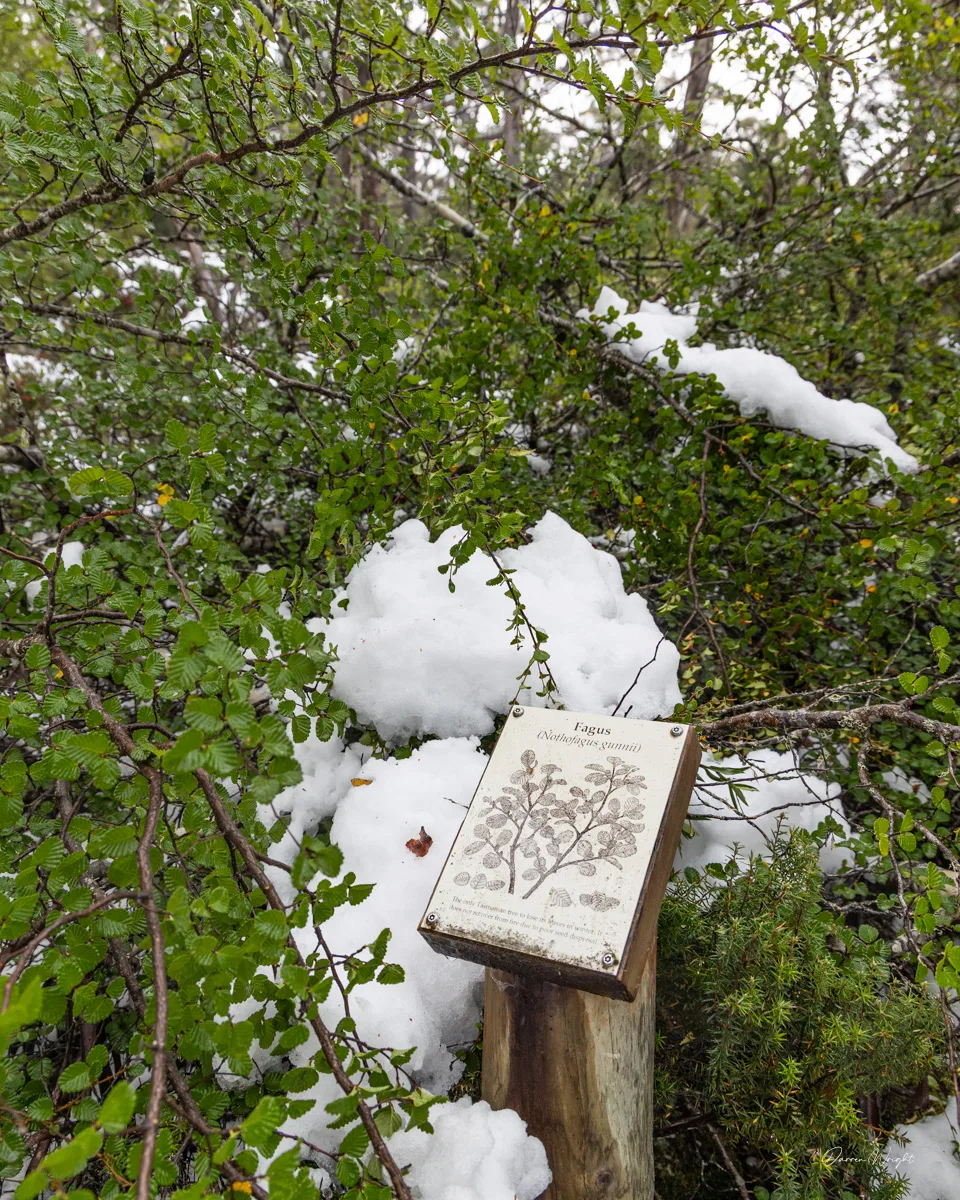
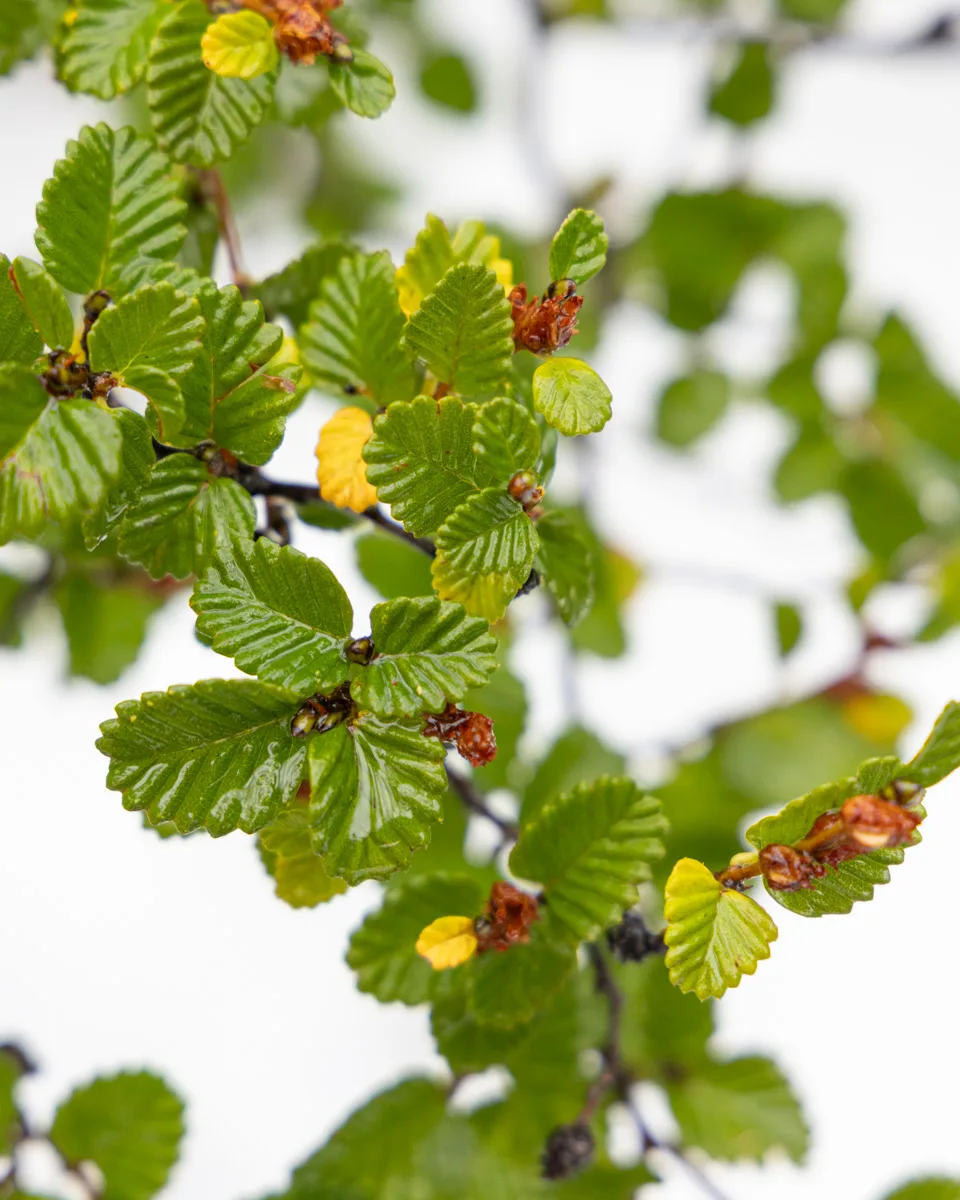
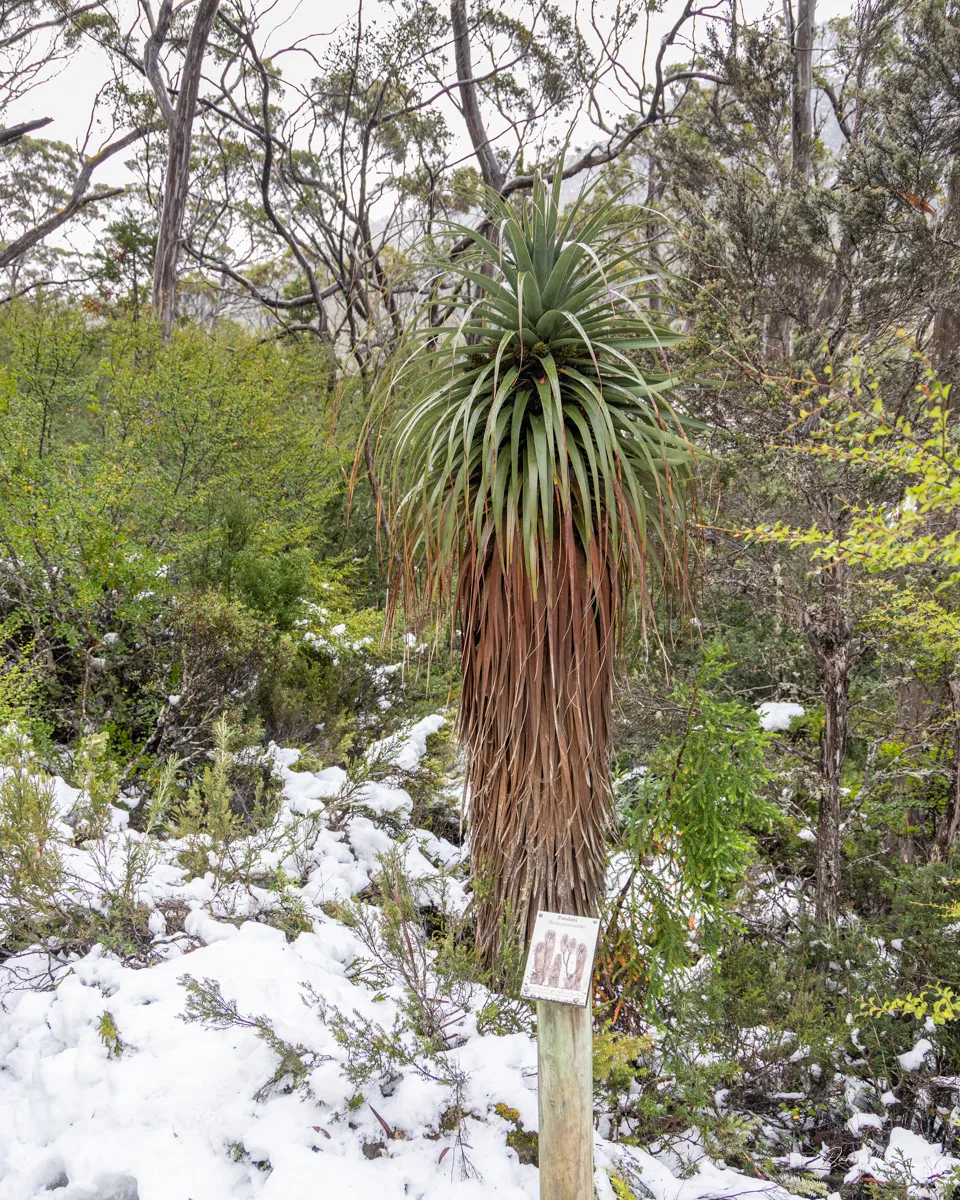
Fagus (Nothofagus gunnii) is one of those plants that stops you in your tracks once you know what you’re looking at. It’s Australia’s only cold-climate native deciduous tree, found nowhere else on Earth except Tasmania’s alpine highlands, mostly above 800 metres. This ancient survivor has been around for roughly 40 million years, a living relic of the Gondwana era with distant cousins in New Zealand and South America. For most of the year it sits quietly among the pencil pines and boulders, easy to overlook. But in autumn, it announces itself. Those small, crinkle-cut leaves shift from glossy green through yellow, orange, and, particularly in a frost, deep red and russet. Sometimes you’ll see the full spectrum on a single branch.
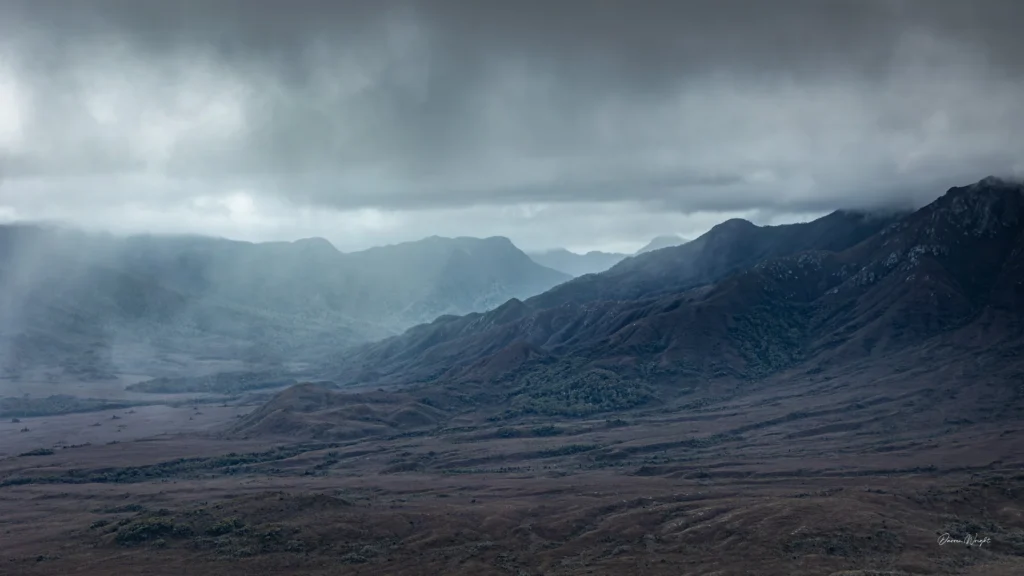
Mt Field National Park is the most popular spot in the state’s south for the annual “turning of the fagus,” and for good reason. The Lake Fenton area is accessible without serious hiking, while the Tarn Shelf, sitting at around 1,200 metres, rewards those willing to put in the steps with entire mountainsides lit up in colour, sometimes reflected in the small alpine tarns below. The peak is generally around Anzac Day, though it can start showing colour from early April in a cold year. On 12th April, with fresh snow dusting the ground and resting on those twisted branches, the whole scene felt genuinely otherworldly.